2026 Housing Market Forecast: 7% Sales Decline & What It Means

The 2026 Housing Market Forecast: A 7% Decline in Home Sales Predicted – What It Means for Buyers and Sellers
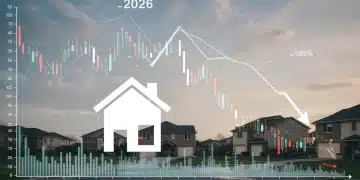
The real estate market is a dynamic entity, constantly influenced by a myriad of economic, social, and political factors. As we look ahead, projections for the 2026 housing market suggest a significant shift: a predicted 7% decline in home sales. This forecast, while potentially unsettling for some, offers crucial insights for both prospective buyers and current homeowners considering selling. Understanding the underlying reasons for this predicted downturn and its potential implications is paramount for making informed decisions in the coming years. This comprehensive guide will delve deep into the factors contributing to the 2026 housing market forecast, analyze its potential impact on various stakeholders, and provide actionable strategies for navigating what promises to be an interesting period in real estate.
Understanding the 2026 Housing Market Forecast: The Driving Forces
A 7% decline in home sales is not a figure to be taken lightly. It signals a notable cooling in market activity, which can stem from several interconnected factors. To truly grasp the implications of the 2026 housing market, we must first dissect the forces expected to drive this trend.
Interest Rate Fluctuations and Affordability Challenges
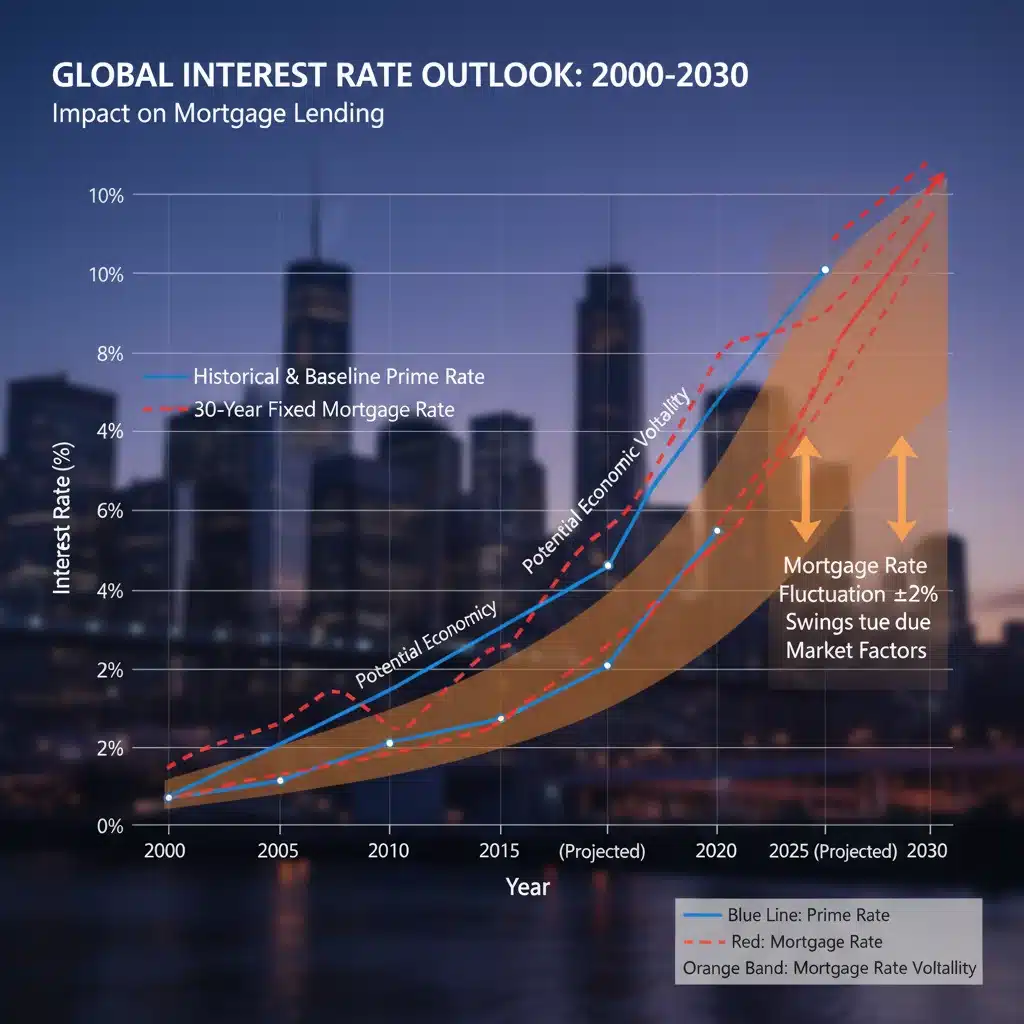
One of the most significant levers in the housing market is interest rates. Historically, periods of rising interest rates tend to temper buyer demand. Higher rates translate to more expensive mortgages, directly impacting affordability. If interest rates remain elevated or continue to climb into 2026, the cost of borrowing will deter a segment of potential buyers, pushing them out of the market or forcing them to delay their purchase. This reduction in the pool of qualified buyers naturally leads to fewer transactions, contributing to the predicted decline in 2026 housing market sales.
Furthermore, even with stable interest rates, the cumulative effect of years of rapid home price appreciation has already stretched affordability for many. Wage growth has struggled to keep pace with housing costs in numerous regions, creating a widening gap. When homes become too expensive relative to average incomes, demand inevitably softens. The 2026 housing market decline could, in part, be a natural market correction as affordability limits are reached.
Inventory Levels and Supply Dynamics
The balance between housing supply and demand is another critical determinant of market activity. A prolonged period of low inventory can constrain sales, even with strong demand, simply because there aren’t enough homes to buy. Conversely, a sudden surge in inventory without a corresponding increase in demand can lead to a buyer’s market, where prices might stabilize or even fall, and sales volume could decrease as buyers have more choices and less urgency.
The 2026 housing market forecast suggests that a combination of factors might influence inventory. On one hand, fewer new constructions due to higher material and labor costs, or tighter lending standards for builders, could keep overall supply relatively low. On the other hand, if existing homeowners are hesitant to sell due to high mortgage rates on their next purchase (the ‘lock-in effect’), this also stifles inventory turnover. A decline in sales doesn’t necessarily mean an explosion of inventory, but rather a potential mismatch where fewer transactions occur due to various supply-side constraints or demand-side hesitations.
Economic Headwinds and Consumer Confidence
The broader economic landscape plays a pivotal role in the health of the housing market. Factors such as inflation, employment rates, and overall economic growth directly influence consumer confidence and their willingness to make large financial commitments like buying a home. If the economy faces headwinds – perhaps a mild recession, persistent inflation eroding purchasing power, or job market uncertainties – consumers are likely to become more cautious. This hesitancy translates into fewer home purchases, contributing to the projected 7% decline in 2026 housing market sales.
Consumer confidence is a powerful, albeit intangible, force. When people feel secure in their jobs and optimistic about their financial future, they are more inclined to invest in real estate. Conversely, uncertainty breeds caution, leading to a wait-and-see approach that can depress market activity.
Demographic Shifts and Migration Patterns
While often slower-moving, demographic shifts can have a profound long-term impact on the housing market. The aging population, the formation of new households, and migration patterns (both interstate and international) all influence where and how many homes are needed. For the 2026 housing market, changes in birth rates, marriage rates, and the average age of first-time homebuyers can subtly shift demand. If, for instance, younger generations continue to delay homeownership due to affordability issues or lifestyle preferences, the overall pool of active buyers might shrink, contributing to lower sales volumes.
What the 7% Decline Means for Buyers in the 2026 Housing Market
For prospective homebuyers, a predicted decline in sales can evoke mixed feelings. On one hand, it might signal a less competitive market. On the other, it could raise concerns about future home values. Here’s a breakdown of what buyers might expect in the 2026 housing market:
Less Competition and More Negotiation Power
A 7% decrease in home sales generally means fewer buyers are actively competing for available properties. This shift can be a significant advantage for those who are ready and able to purchase. Bid wars, which characterized many markets in recent years, may become less common. Buyers might find themselves with more time to consider their options, conduct thorough inspections, and even negotiate on price or terms. This could lead to a more relaxed and favorable buying experience compared to the frenzied markets of the past.
Potential for Price Stabilization or Modest Declines
While a decline in sales doesn’t automatically equate to a sharp drop in prices, it often indicates a stabilization or more modest appreciation. In some particularly overheated markets, a decline in sales could precede a slight price correction. Buyers in the 2026 housing market should temper expectations of a massive price crash but can realistically hope for less aggressive price increases and potentially a slight softening in certain areas. This environment could present opportunities for patient buyers to enter the market at a more reasonable valuation.
Importance of Financial Preparedness
In a cooling market, lenders might become slightly more stringent with their qualifications. For buyers, this underscores the importance of strong financial health. Having a solid credit score, a healthy down payment, and a stable income will be even more crucial. Getting pre-approved for a mortgage early in the process will not only give buyers a clear understanding of their budget but also signal to sellers that they are serious and qualified, potentially giving them an edge. Navigating the 2026 housing market successfully will require diligent financial planning.
Focus on Long-Term Investment
For those buying in 2026, it’s essential to view real estate as a long-term investment. Market fluctuations are a normal part of the economic cycle. While the immediate future might see some cooling, historically, real estate has proven to be a resilient asset over the long haul. Buyers should focus on purchasing a home that meets their needs for several years, rather than trying to time the market perfectly for short-term gains. A strong financial foundation and a long-term perspective will serve buyers well in the 2026 housing market.
What the 7% Decline Means for Sellers in the 2026 Housing Market
For homeowners looking to sell, a predicted decline in sales volume means a shift from a seller’s market to a more balanced or even buyer-favored environment. This doesn’t mean it’s impossible to sell, but strategies will need to adapt.
Strategic Pricing Becomes Crucial
In a market with fewer buyers and potentially more inventory (or at least less urgency from buyers), overpricing a home can be a critical mistake. Homes that are priced competitively and realistically from the outset are more likely to attract attention and sell faster. Sellers in the 2026 housing market should work closely with experienced real estate agents to conduct a thorough comparative market analysis (CMA) and price their property based on current market conditions, not on peak market prices from previous years.
Emphasis on Presentation and Condition
When buyers have more choices, the condition and presentation of a home become even more important. Sellers should invest in necessary repairs, decluttering, staging, and professional photography to make their property stand out. A well-maintained and aesthetically pleasing home will attract more viewings and potentially command a better price, even in a cooling market. First impressions will matter more than ever in the 2026 housing market.
Flexibility in Negotiations
Sellers should prepare for more negotiation than they might have experienced in recent years. This could involve concessions on price, covering closing costs, or being flexible with closing timelines. A willingness to negotiate can be the difference between a quick sale and a property lingering on the market. Understanding what buyers are looking for and being prepared to meet them halfway can be a powerful strategy.
Patience and Realistic Expectations
Homes might take longer to sell in the 2026 housing market compared to the rapid turnover seen previously. Sellers should set realistic expectations regarding the time frame and potential sale price. Rushing into a sale or refusing to adjust strategy based on market feedback can lead to frustration. Patience, combined with a proactive marketing approach, will be key.

Regional Variations in the 2026 Housing Market
It’s crucial to remember that the housing market is not monolithic. A national forecast, while indicative of broader trends, often masks significant regional variations. What happens in a booming tech hub might be very different from a struggling rural area or a stable suburban community. The 7% decline in home sales is an aggregate forecast; some regions might experience a more pronounced downturn, while others might see minimal impact or even continued growth, albeit at a slower pace.
Factors Influencing Local Markets:
- Job Market Strength: Areas with robust job growth and diversified economies tend to be more resilient.
- Affordability: Markets that became severely unaffordable during the boom years might experience larger corrections.
- Inventory Levels: Local supply and demand dynamics will heavily influence how a market performs.
- Population Growth: Areas with continued population influx will likely sustain demand better.
Both buyers and sellers should pay close attention to local market data and consult with real estate professionals who have deep knowledge of their specific area. A national average provides a context, but local nuances will dictate individual outcomes in the 2026 housing market.
Technological Advancements and the 2026 Housing Market
Beyond economic indicators, technological advancements continue to reshape the real estate landscape. By 2026, we can expect these innovations to play an even more significant role in how properties are bought and sold, potentially influencing the speed and efficiency of transactions, even amidst a sales decline.
Virtual Showings and AI-Powered Platforms
The acceleration of virtual tours, 3D home walkthroughs, and augmented reality experiences will likely become standard practice. These technologies can broaden a property’s reach, allowing potential buyers from anywhere in the world to experience a home without physical travel. AI-powered platforms will also become more sophisticated, offering personalized property recommendations, predictive analytics for market trends, and streamlined communication between parties. While these won’t directly counteract a sales decline, they can make the selling process more efficient and potentially reduce the time on market for well-presented properties in the 2026 housing market.
Blockchain and Digital Transactions
The adoption of blockchain technology in real estate, while still nascent, could gain traction by 2026. This could lead to more secure, transparent, and potentially faster property transactions by digitizing records and streamlining title transfers. Smart contracts, enabled by blockchain, could automate certain aspects of the buying and selling process, reducing paperwork and legal complexities. Such efficiencies, even if they don’t boost sales numbers, can improve the overall experience for participants in the 2026 housing market.
Data Analytics for Informed Decisions
Advanced data analytics will empower both buyers and sellers with unprecedented insights. Buyers can access more granular data on neighborhood trends, school districts, future development plans, and even hyper-local pricing patterns. Sellers can use these tools to optimize pricing strategies, identify the best times to list, and target specific buyer demographics. Real estate agents, armed with these tools, will become even more valuable advisors, translating complex data into actionable strategies for navigating the 2026 housing market.
Government Policies and Their Impact on the 2026 Housing Market
Government policies at federal, state, and local levels wield considerable influence over the housing market. Changes in these policies can either exacerbate or mitigate the predicted 7% decline in home sales for 2026.
Monetary Policy and Federal Reserve Actions
The Federal Reserve’s monetary policy, particularly its decisions on interest rates, is perhaps the most immediate and impactful government influence. As discussed, higher interest rates directly affect mortgage affordability. If the Fed continues a tightening policy into 2026 to combat inflation, it will likely contribute to the sales decline. Conversely, if economic conditions warrant a pivot to lower rates, it could provide some stimulus to the 2026 housing market, potentially softening the predicted downturn.
Housing Supply Initiatives
Many governments are grappling with housing shortages. Policies aimed at increasing housing supply – such as zoning reforms, incentives for affordable housing development, or streamlining permitting processes – can have a long-term impact. While the effects of these initiatives might not fully materialize by 2026, early implementation could start to address the underlying supply constraints that contribute to affordability issues. A greater supply of diverse housing options could eventually lead to more stable sales volumes, even if it doesn’t prevent an immediate decline.
Tax Policies and Buyer Incentives
Tax policies related to homeownership, such as mortgage interest deductions or property tax structures, can influence buyer behavior. Changes to these policies could either encourage or discourage home purchases. Similarly, first-time homebuyer programs, down payment assistance, or other incentives can provide a boost to demand, particularly for segments of the population struggling with affordability. The presence or absence of such supportive policies will play a role in the overall health of the 2026 housing market.
Preparing for the 2026 Housing Market: Actionable Strategies
Regardless of whether you are buying or selling, preparation is key to navigating any market shift. The predicted 7% decline in home sales for 2026 calls for strategic planning.
For Prospective Buyers:
- Strengthen Your Finances: Focus on improving your credit score, saving for a larger down payment, and reducing overall debt. This will give you more leverage and better loan terms.
- Get Pre-Approved: Understand your budget and show sellers you are a serious contender.
- Research Local Markets: Don’t rely solely on national trends. Understand the specific dynamics of the areas you’re interested in.
- Be Patient but Decisive: Opportunities may arise, but be ready to act when the right one comes along.
- Consider Long-Term Goals: Focus on a home that meets your needs for the foreseeable future, rather than short-term market timing.
For Sellers:
- Price Strategically: Work with an agent to price your home competitively from day one, reflecting current market realities.
- Maximize Curb Appeal and Condition: Invest in repairs, staging, and professional photography to make your home stand out.
- Be Flexible: Be prepared for negotiations on price, contingencies, and closing dates.
- Work with an Experienced Agent: A local expert who understands the nuances of a cooling market will be invaluable.
- Review Your Motivation: Understand why you are selling and what your priorities are, as this will guide your strategy.
Conclusion: Navigating the Evolving 2026 Housing Market
The forecast of a 7% decline in home sales for the 2026 housing market signals a shift towards a more normalized, and potentially more balanced, real estate environment. This isn’t necessarily a cause for panic but rather an invitation for thoughtful consideration and strategic action. For buyers, it might present opportunities for less competition and more negotiation power. For sellers, it underscores the importance of competitive pricing, impeccable presentation, and flexibility.
The interplay of interest rates, affordability, inventory levels, economic conditions, demographic shifts, technological advancements, and government policies will all contribute to shaping the landscape. By staying informed, understanding local market dynamics, and preparing financially, both buyers and sellers can navigate the evolving 2026 housing market with confidence and achieve their real estate goals. The key takeaway is adaptation: the strategies that worked in a red-hot market may not be effective in a cooling one. Those who adjust their approach will be best positioned for success.