Recession Proof Your Finances: 2026 Financial Planning Guide

Recession Proof Your Finances: Essential 2026 Financial Planning for the Next 12 Months
The global economy is a dynamic and often unpredictable entity. While no one can forecast the future with absolute certainty, prudent financial planning involves preparing for various scenarios, including potential economic downturns. As we look towards 2026, concerns about a possible recession are increasingly discussed among economists and financial experts. This comprehensive guide will delve into essential strategies for 2026 recession planning, helping you protect your assets, minimize risks, and even identify opportunities during uncertain times. The next 12 months are crucial for implementing these strategies to fortify your financial position.
Understanding the Economic Landscape: Why 2026 Recession Planning Matters
Economic cycles are a natural part of capitalism. Periods of growth are often followed by contractions, known as recessions. Several factors could contribute to an economic slowdown or recession by 2026, including persistent inflation, rising interest rates, geopolitical tensions, and supply chain disruptions. While these are broad economic indicators, their cumulative effect can significantly impact individual finances. Therefore, proactive 2026 recession planning isn’t about predicting doom, but about building resilience.
A recession can manifest in various ways: job losses, reduced consumer spending, declining asset values (stocks, real estate), and tighter credit markets. For individuals and families, this can mean decreased income, difficulty accessing loans, and a general sense of financial insecurity. By taking steps now, you can mitigate these potential negative effects and position yourself for a more stable financial future.
The importance of planning cannot be overstated. Waiting until a recession is officially declared often means reacting to events rather than proactively managing them. The next 12 months offer a critical window to review your financial health, make necessary adjustments, and implement strategies that will serve as a buffer against economic shocks. This preparation is key to safeguarding your wealth and ensuring peace of mind.
Pillar 1: Building a Robust Emergency Fund – Your First Line of Defense
The cornerstone of any sound financial plan, especially when preparing for a recession, is a robust emergency fund. This fund acts as a financial safety net, providing liquidity to cover essential expenses during periods of unemployment, unexpected medical bills, or other financial emergencies without having to go into debt or sell depreciated assets.
How Much Should You Save?
Financial experts generally recommend having at least three to six months’ worth of essential living expenses saved in an easily accessible, liquid account. However, in anticipation of a potential recession, aiming for six to twelve months’ worth of expenses is a more prudent target. This higher target provides a longer runway if job loss or significant income reduction occurs.
To calculate your target, start by itemizing all your essential monthly expenses: housing (rent/mortgage), utilities, groceries, transportation, insurance, and minimum debt payments. Exclude discretionary spending like dining out or entertainment. Multiply this total by your desired number of months (6-12) to arrive at your emergency fund goal.

Where to Keep Your Emergency Fund
Your emergency fund should be stored in a highly liquid and secure account. Ideal options include:
- High-Yield Savings Accounts: These offer better interest rates than traditional savings accounts while keeping your money readily accessible.
- Money Market Accounts: Similar to high-yield savings, offering competitive interest rates and liquidity.
- Short-Term Certificates of Deposit (CDs): While less liquid than savings accounts, very short-term CDs (e.g., 3-6 months) can offer slightly higher returns. However, ensure the maturity dates align with your potential need for the funds.
Avoid investing your emergency fund in volatile assets like stocks, as their value can fluctuate significantly, precisely when you might need the money most. The primary goal of this fund is safety and accessibility, not aggressive growth.
Strategies for Building Your Fund
If your emergency fund is not yet where it needs to be, prioritize building it over the next 12 months. Consider these strategies:
- Automate Savings: Set up automatic transfers from your checking account to your emergency fund with each paycheck.
- Cut Discretionary Spending: Temporarily reduce or eliminate non-essential expenses to free up more cash for savings.
- Boost Income: Explore side hustles, sell unused items, or seek opportunities for overtime to accelerate your savings.
- Windfalls: Direct any unexpected income, such as tax refunds, bonuses, or inheritances, directly into your emergency fund.
Building this financial cushion is a critical component of effective 2026 recession planning and provides a foundation of security.
Pillar 2: Aggressive Debt Reduction – Freeing Up Your Cash Flow
High-interest debt can be a significant burden during a recession. When incomes are uncertain, monthly debt payments can quickly become unmanageable. Reducing or eliminating debt, especially consumer debt, is a powerful strategy for strengthening your financial position ahead of 2026.
Prioritizing High-Interest Debt
Focus your efforts on paying down debts with the highest interest rates first. This typically includes:
- Credit Card Debt: Often carries interest rates exceeding 20%, making it extremely costly.
- Personal Loans: Can also have high interest rates, depending on your credit score.
- Payday Loans: Avoid these at all costs, as their interest rates are exorbitant.
The ‘debt avalanche’ method, where you pay minimums on all debts except the one with the highest interest rate, which you aggressively pay down, is generally the most mathematically efficient approach. Once that debt is paid off, you roll the payment amount into the next highest interest debt.
Reviewing Other Debts
While mortgage debt typically has lower interest rates and is secured by an asset, it’s still worth reviewing. If you have an adjustable-rate mortgage (ARM), consider refinancing to a fixed-rate mortgage if interest rates are favorable. This locks in your monthly payment and protects you from potential rate increases during a recession.
Student loan debt can also be a significant burden. Explore options like income-driven repayment plans, though these might not reduce the total amount owed, they can lower monthly payments, freeing up cash flow. Some private lenders may also offer refinancing options with better terms.
Benefits of Debt Reduction
Reducing debt offers several benefits for 2026 recession planning:
- Increased Cash Flow: Lower monthly payments mean more disposable income, which can be directed towards savings or essential expenses.
- Reduced Financial Stress: Less debt translates to less worry during uncertain economic times.
- Improved Credit Score: Paying down debt positively impacts your credit score, making it easier to access credit if absolutely necessary (though this should be a last resort during a recession).
- Flexibility: With fewer obligations, you have greater flexibility to adapt to changing financial circumstances.
Make debt reduction a significant focus over the next 12 months to enhance your financial resilience.
Pillar 3: Diversifying Investments – Mitigating Market Volatility
A recession often brings market volatility and declining asset values. While it’s impossible to completely insulate your investments from a downturn, strategic diversification can help mitigate losses and position your portfolio for recovery. This is a critical aspect of effective 2026 recession planning.
Asset Allocation Review
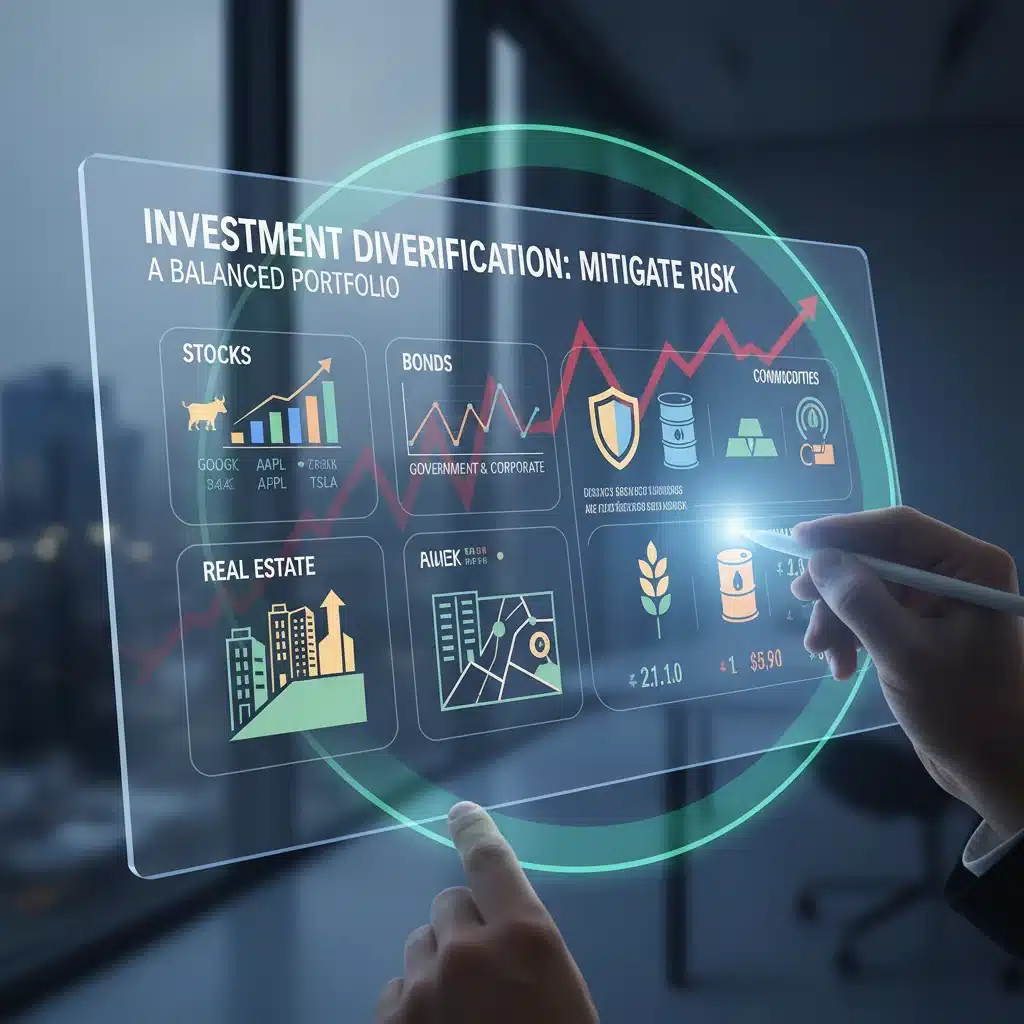
Review your current asset allocation. Are you overly concentrated in a single asset class or sector? A well-diversified portfolio typically includes a mix of:
- Stocks (Equities): While volatile, they offer long-term growth potential. Consider defensive sectors (healthcare, consumer staples) which tend to perform better during downturns.
- Bonds (Fixed Income): Provide stability and income. Government bonds (Treasuries) are generally considered safe havens during recessions.
- Real Estate: Can be a good long-term hedge against inflation, but values can decline in a recession. Consider REITs (Real Estate Investment Trusts) for diversified exposure without direct property ownership.
- Commodities: Gold and other precious metals are often seen as safe-haven assets during economic uncertainty.
Your ideal asset allocation will depend on your age, risk tolerance, and financial goals. Younger investors with a longer time horizon might tolerate more risk, while those nearing retirement might prioritize capital preservation.
Don’t Panic Sell
One of the biggest mistakes investors make during a recession is panic selling. While it’s natural to feel anxious when your portfolio declines, selling at the bottom locks in losses. History shows that markets eventually recover, and those who remain invested (or even continue to invest during the downturn) often benefit from the subsequent rebound.
Dollar-Cost Averaging
Consider implementing or continuing a dollar-cost averaging strategy. This involves investing a fixed amount of money at regular intervals, regardless of market fluctuations. When prices are high, you buy fewer shares; when prices are low, you buy more. This strategy averages out your purchase price over time and can be particularly effective during volatile periods, turning market downturns into buying opportunities.
Rebalancing Your Portfolio
Regularly rebalance your portfolio to maintain your desired asset allocation. If one asset class has performed exceptionally well, it might now represent a larger percentage of your portfolio than intended. Rebalancing involves selling some of the outperforming assets and buying more of the underperforming ones to bring your portfolio back into alignment. This disciplined approach helps manage risk and ensures you’re not overexposed to any single area.
Consulting with a financial advisor can be invaluable for reviewing your investment strategy and ensuring it aligns with your 2026 recession planning goals.
Pillar 4: Income Stream Diversification and Career Preparedness
Reliance on a single income source can be risky, especially during a recession. Exploring ways to diversify your income and ensuring your career is resilient are vital steps in 2026 recession planning.
Multiple Income Streams
- Side Hustles: Freelancing, consulting, online tutoring, gig economy work, or selling products can provide supplementary income.
- Passive Income: Investments that generate income, such as dividend stocks, rental properties (if carefully managed), or high-yield savings accounts.
- Royalties: For creative professionals, royalties from books, music, or art can provide ongoing income.
Even a small additional income stream can provide a crucial buffer if your primary income is disrupted.
Career Resilience
In a recession, certain industries and job functions are more vulnerable than others. Assess your current career and consider ways to enhance your marketability:
- Skill Development: Acquire new skills or certifications that are in demand, particularly in recession-resistant sectors (e.g., healthcare, education, IT, essential services).
- Networking: Maintain and expand your professional network. Strong connections can be invaluable for job opportunities or business referrals.
- Build a Strong Resume/Portfolio: Keep your professional documents updated and showcase your achievements.
- Understand Your Value: Know your worth in the job market and be prepared to articulate your contributions.
- Explore Remote Work Options: Remote work can offer more flexibility and potentially broader job opportunities, even if local markets are struggling.
Proactive career development is a key part of personal 2026 recession planning, protecting your most valuable asset: your ability to earn.
Pillar 5: Reviewing and Optimizing Your Budget – Every Penny Counts
A recession necessitates a critical look at your spending habits. Optimizing your budget can free up funds for savings, debt repayment, and essential expenses. This is a continuous process, but particularly important during the next 12 months.
Detailed Expense Tracking
The first step is to meticulously track all your income and expenses for a few months. Use budgeting apps, spreadsheets, or even a pen and paper. This will give you a clear picture of where your money is actually going.
Distinguish Needs vs. Wants
Categorize your expenses into ‘needs’ (housing, food, utilities, transportation, essential insurance) and ‘wants’ (dining out, entertainment, subscriptions, new gadgets). In a recessionary environment, ‘wants’ are the first areas to cut back on.
Areas for Optimization
- Subscriptions: Review all recurring subscriptions (streaming services, gym memberships, apps) and cancel those you don’t frequently use.
- Groceries: Plan meals, use coupons, buy in bulk, and reduce food waste.
- Transportation: Consider carpooling, public transport, or walking/biking if feasible to save on fuel and maintenance.
- Insurance: Shop around for better rates on auto, home, and health insurance. Ensure you have adequate coverage, but don’t overpay.
- Energy Costs: Implement energy-saving measures at home to reduce utility bills.
- Dining Out/Entertainment: Significantly reduce these expenses. Cook at home more often and look for free or low-cost entertainment options.
Every dollar saved from optimizing your budget can be redirected to your emergency fund or debt repayment, bolstering your 2026 recession planning efforts.
Pillar 6: Protecting Your Assets Beyond Investments – Insurance and Estate Planning
While often overlooked in recession discussions, ensuring proper insurance coverage and having an up-to-date estate plan are critical for comprehensive asset protection and 2026 recession planning.
Adequate Insurance Coverage
Review all your insurance policies:
- Health Insurance: Ensure you have adequate health coverage. Losing a job during a recession often means losing employer-sponsored health insurance. Explore COBRA, marketplace plans, or spousal coverage options.
- Disability Insurance: If you rely heavily on your income, disability insurance (both short-term and long-term) can provide income replacement if you become unable to work due to illness or injury.
- Life Insurance: If you have dependents, life insurance is essential to protect their financial future in case of your untimely death.
- Homeowners/Renters Insurance: Ensure your property is adequately covered against damages or theft.
- Auto Insurance: Maintain appropriate coverage.
The goal is to prevent unexpected events from creating catastrophic financial burdens that could derail your recession preparedness.
Estate Planning
While not directly tied to market fluctuations, a recession can exacerbate personal crises. Having an up-to-date estate plan ensures your wishes are followed and your assets are distributed as you intend, reducing stress for your loved ones during difficult times. This includes:
- Will: Specifies how your assets should be distributed.
- Power of Attorney: Designates someone to make financial and/or healthcare decisions on your behalf if you become incapacitated.
- Living Will/Advance Directives: Outlines your wishes for medical care.
These documents provide legal protection and clarity, which become even more valuable during periods of uncertainty.
Pillar 7: Staying Informed and Adaptable
The economic landscape is constantly evolving. Staying informed about economic indicators, market trends, and expert analyses is crucial for effective 2026 recession planning. However, it’s equally important to filter out sensationalism and focus on reliable sources.
Monitor Key Economic Indicators
- Inflation Rates: High inflation erodes purchasing power.
- Interest Rates: Rising rates impact borrowing costs and bond yields.
- Unemployment Rates: A rising unemployment rate is a strong indicator of a slowing economy.
- GDP Growth: Negative GDP growth for two consecutive quarters is a technical definition of a recession.
- Consumer Confidence: A drop in confidence often precedes reduced spending.
While you don’t need to become an economist, a general awareness of these trends can help you make informed decisions.
Be Adaptable
Financial plans are not set in stone. Be prepared to adapt your strategies as economic conditions change. This might mean adjusting your savings goals, re-evaluating investment choices, or modifying your budget. Flexibility is a key attribute for navigating economic uncertainty successfully.
Seek Professional Advice
Don’t hesitate to consult with financial advisors, tax professionals, or career counselors. Their expertise can provide personalized guidance and help you refine your 2026 recession planning strategies based on your unique circumstances.
Conclusion: Proactive Steps for a Secure 2026
Preparing for a potential 2026 recession is not about fear, but about empowerment. By taking proactive steps over the next 12 months, you can significantly enhance your financial resilience, protect your assets, and even position yourself to capitalize on opportunities that may arise during an economic downturn. Focus on building a robust emergency fund, aggressively reducing debt, diversifying your investments, strengthening your income streams, optimizing your budget, and securing adequate insurance and estate planning. These pillars of financial preparedness will provide a solid foundation, allowing you to face future economic challenges with confidence and peace of mind.
Remember, consistent effort and discipline in your financial habits are your greatest allies. Start today, review your progress regularly, and adapt as needed. Your financial future in 2026 and beyond will be stronger for it.