Vocational Training 2025: US Technical Schools Adapt
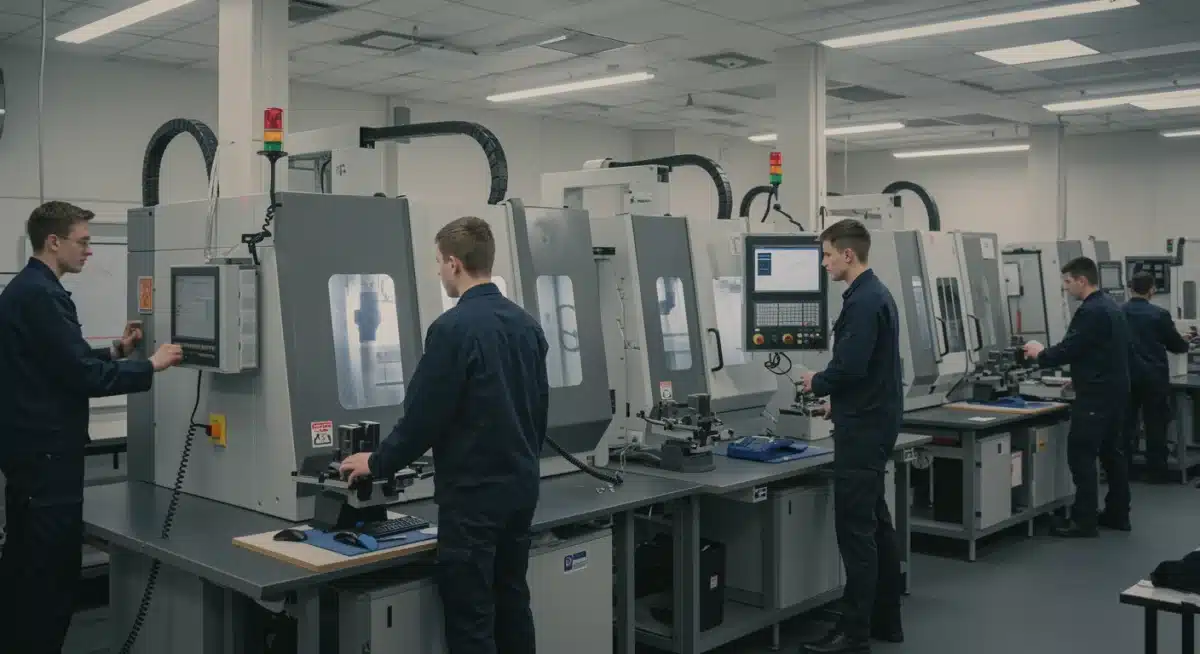
US vocational training in 2025 is undergoing significant transformations, with technical schools embracing technology, industry partnerships, flexible learning, and specialized curricula to meet evolving workforce demands.
The landscape of education is shifting, and nowhere is this more evident than in vocational training. US vocational training 2025 is poised for a significant evolution as technical schools across the nation adapt to meet the rapidly changing demands of modern industries. This article will explore the pivotal transformations shaping the future of skilled trades and technical professions.
Embracing Advanced Technology and Automation
The integration of advanced technology and automation stands as a cornerstone of modern vocational education. Technical schools are increasingly incorporating cutting-edge tools and methodologies into their curricula to prepare students for the workplaces of tomorrow. This shift is not merely about adopting new equipment; it’s about fundamentally rethinking how skills are taught and learned.
Industries from manufacturing to healthcare are experiencing a digital revolution, demanding a workforce proficient in areas like robotics, artificial intelligence, and sophisticated data analysis. Vocational programs are responding by upgrading their labs and workshops, ensuring students gain hands-on experience with the same technologies they will encounter in their careers.
Curriculum Modernization
- Robotics and AI Integration: Programs now feature robotics labs and AI simulation tools, allowing students to program, operate, and troubleshoot automated systems.
- Data Analytics Skills: Training includes modules on collecting, interpreting, and utilizing data for decision-making in various technical fields.
- Cybersecurity Fundamentals: With increased digital reliance, cybersecurity is becoming a critical component, teaching students to protect industrial control systems and data.
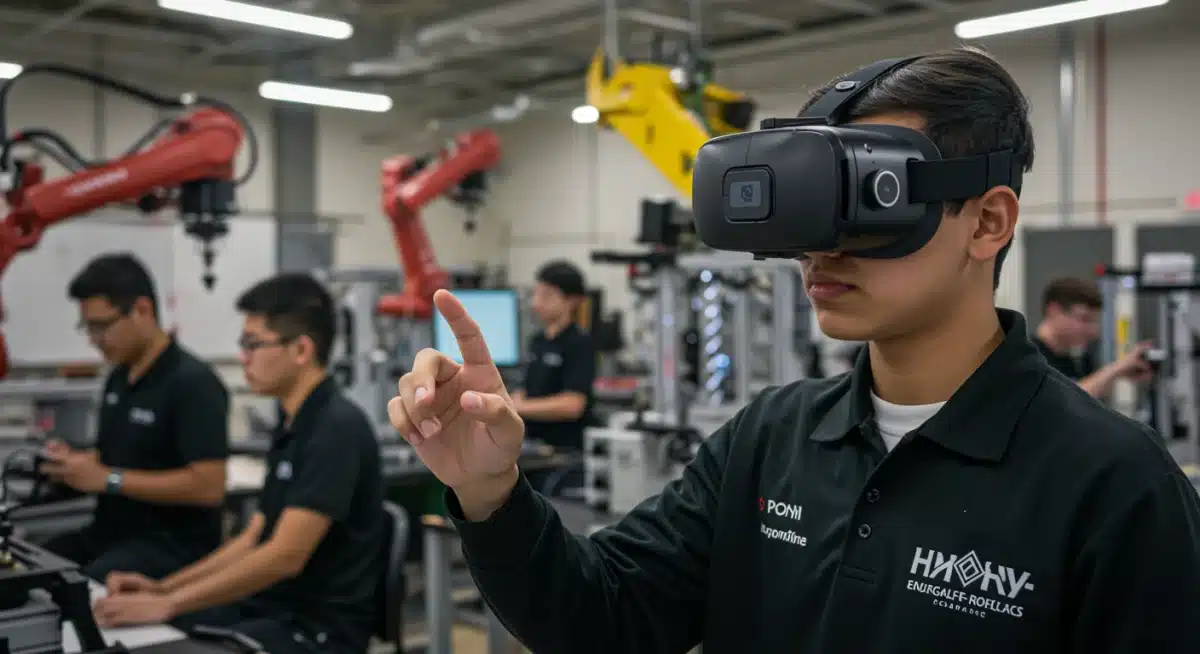
- Augmented and Virtual Reality: AR/VR tools offer immersive training experiences, simulating complex procedures and hazardous environments safely.
This modernization ensures that graduates are not just familiar with traditional techniques but are also adept at navigating and innovating within highly technological work environments. The goal is to produce adaptable professionals capable of evolving with technological advancements throughout their careers.
The focus on advanced technology is crucial for maintaining the competitiveness of the American workforce. By equipping students with these high-tech skills, technical schools are directly addressing the talent gap in emerging industries, ensuring that graduates are immediately employable and can contribute to economic growth. This proactive approach to curriculum development is essential for vocational training to remain relevant and impactful.
Strengthening Industry Partnerships for Relevant Skills
Effective vocational training hinges on strong connections with industry. Technical schools are deepening their partnerships with local and national businesses to ensure their programs align perfectly with current and future workforce needs. These collaborations go beyond mere advisory roles, evolving into dynamic relationships that shape curriculum, provide resources, and create direct pathways to employment.
Such partnerships are vital for several reasons. They provide schools with invaluable insights into industry trends, technological shifts, and skill gaps, allowing for rapid curriculum adjustments. For students, these collaborations offer unparalleled opportunities for real-world experience, mentorship, and job placement.
Collaborative Models
- Apprenticeship Programs: Expanding registered apprenticeships that combine paid on-the-job training with classroom instruction, fostering skill mastery and guaranteed employment.
- Internship Opportunities: Companies are partnering with schools to offer robust internship programs, giving students practical experience and networking chances.
- Co-developed Curricula: Industry experts are directly involved in designing course content, ensuring that what is taught in school directly translates to workplace competencies.
- Equipment and Resource Sharing: Businesses often donate state-of-the-art equipment or provide access to their facilities for student training, bridging funding gaps for schools.
These symbiotic relationships ensure that vocational graduates possess not only theoretical knowledge but also practical, industry-specific skills that make them highly valuable from day one. Businesses benefit by receiving a pipeline of well-trained, job-ready candidates, reducing their recruitment and training costs. This collaborative ecosystem is a win-win for education and industry alike.
The success of these partnerships is measured not just by graduate employment rates but also by the long-term career success of alumni. By fostering a culture of continuous collaboration, technical schools are building resilient educational models that can quickly adapt to economic fluctuations and emerging skill requirements.
Flexible Learning Pathways and Micro-credentials
The traditional one-size-fits-all model of education is giving way to more flexible and personalized learning pathways in vocational training. Recognizing the diverse needs of today’s learners, technical schools are implementing innovative approaches that cater to different schedules, learning styles, and career goals. This includes offering modular programs, online components, and stackable credentials.
Many individuals seeking vocational training are adult learners, working professionals looking to upskill, or those with family commitments. Rigid, full-time programs can be prohibitive for these groups. Therefore, schools are designing programs that can be accessed at various times and paces, making education more inclusive and attainable.
Innovative Learning Structures
- Hybrid and Online Programs: Blending in-person practical sessions with online theoretical coursework provides greater flexibility for students.
- Evening and Weekend Classes: Catering to those who work during standard hours, offering classes outside the typical workday.
- Stackable Micro-credentials: Students can earn smaller, specialized certifications that build towards a larger degree or diploma, allowing for incremental skill acquisition and immediate career impact.
- Competency-Based Education (CBE): Programs focus on demonstrating mastery of skills rather than seat time, allowing students to progress at their own pace.
Micro-credentials are particularly impactful, as they allow individuals to gain specific, in-demand skills quickly and prove their proficiency to employers. These smaller certifications can be combined to form a comprehensive skill set, providing a clear path for career advancement without the need for lengthy degree programs. This modular approach empowers learners to tailor their education to their precise needs.
The emphasis on flexible learning pathways and micro-credentials reflects a broader understanding that lifelong learning is essential in a rapidly changing job market. Technical schools are becoming agile learning hubs, providing continuous opportunities for individuals to acquire new skills and adapt to evolving professional landscapes, thereby strengthening the overall workforce.
Focus on Soft Skills and Entrepreneurship
While technical proficiency remains paramount, modern vocational training increasingly recognizes the critical role of soft skills and entrepreneurial thinking. Employers consistently highlight the importance of attributes like problem-solving, communication, teamwork, and adaptability alongside technical expertise. Technical schools are now embedding these competencies directly into their curricula.
Beyond preparing students for employment, there’s a growing emphasis on fostering an entrepreneurial mindset. This equips graduates not only to work for companies but also to potentially start their own businesses, innovate within existing roles, or contribute to organizational growth in more profound ways. This holistic approach ensures graduates are well-rounded professionals.
Developing Key Competencies
- Communication and Collaboration: Project-based learning and group assignments are designed to enhance interpersonal skills and effective teamwork.
- Critical Thinking and Problem-Solving: Students are challenged with real-world scenarios and encouraged to develop analytical and innovative solutions.
- Adaptability and Resilience: Training includes scenarios that require quick learning and adjustment to new tools or processes, preparing them for dynamic work environments.
- Basic Business Acumen: Modules on financial literacy, marketing, and business planning are introduced, especially for trades where self-employment is common.
Integrating soft skills training ensures that technical graduates can effectively interact with clients, colleagues, and supervisors, manage projects, and navigate workplace dynamics. These skills are often the differentiator between a technically competent worker and a truly valuable asset to an organization. For many vocational fields, the ability to communicate technical information clearly is just as important as the technical skill itself.
Furthermore, encouraging entrepreneurial thinking empowers students to identify opportunities, take initiative, and understand the broader business context of their trade. This can lead to greater job satisfaction, innovation, and economic self-sufficiency, making vocational graduates highly versatile and forward-thinking individuals in the workforce.
Addressing Workforce Shortages and Niche Demands
A significant driver behind the evolution of vocational training is the persistent workforce shortage in critical sectors and the emergence of highly specialized niche demands. Technical schools are strategically aligning their programs to address these gaps, ensuring that their graduates fill immediate needs and contribute to economic stability and growth.
From skilled trades like welding and HVAC to emerging fields in renewable energy and advanced manufacturing, the demand for trained professionals often outstrips supply. Vocational institutions are therefore becoming agile in identifying these shortages and rapidly developing or expanding programs to meet them. This responsiveness is key to their relevance.
Targeted Program Development
- Renewable Energy Technicians: Programs for solar panel installation, wind turbine maintenance, and electric vehicle repair are expanding rapidly.
- Healthcare Support Roles: Training for medical assistants, phlebotomists, and dental hygienists remains strong due to continuous demand in the healthcare sector.
- Advanced Manufacturing: Programs in CNC machining, industrial robotics, and additive manufacturing (3D printing) are crucial for modern production.
- IT Support and Networking: Specialized training in cybersecurity, cloud computing, and network administration addresses the growing digital infrastructure needs.
By focusing on these high-demand areas, technical schools provide clear career pathways for students, often leading to well-paying jobs with strong growth potential. This targeted approach not only benefits the individual graduates but also strengthens local and national economies by providing the skilled labor necessary for industries to thrive. It’s a direct response to market signals, ensuring educational output matches industrial input.
Moreover, the ability of vocational schools to quickly adapt and launch new programs for niche demands, such as specialized drone operation or precision agriculture technology, showcases their agility. This responsiveness positions them as critical partners in workforce development, capable of addressing the most pressing and evolving talent needs across various sectors.
Ensuring Accessibility and Affordability
Accessibility and affordability are paramount to the success and equity of vocational training. Technical schools are increasingly focused on breaking down barriers to education, ensuring that high-quality training is within reach for a wider demographic. This involves exploring various funding models, offering support services, and creating inclusive learning environments.
The cost of education can be a major deterrent for many prospective students. Vocational schools are often more affordable than traditional four-year universities, but continuous efforts are being made to further reduce financial burdens and provide comprehensive support. This commitment to accessibility strengthens the talent pipeline and promotes social mobility.
Support Systems and Funding
- Financial Aid and Scholarships: Expanding access to federal and state financial aid, as well as developing industry-sponsored scholarships for specific programs.
- Career Counseling and Placement Services: Offering robust support for resume building, interview preparation, and job placement to ensure employment success.
- Support for Underrepresented Groups: Implementing initiatives to attract and support women, minorities, and veterans in skilled trades, fostering diversity.
- Partnerships with Community Organizations: Collaborating with local organizations to provide wrap-around services like childcare, transportation, and housing assistance.
By prioritizing affordability, technical schools ensure that economic background does not limit access to valuable skills training. This not only benefits individual students but also enriches the workforce with diverse perspectives and talents. Affordable education pathways are crucial for addressing income inequality and fostering a more equitable society, making vocational training a powerful tool for economic empowerment.
Furthermore, the provision of comprehensive support services, beyond just classroom instruction, helps students overcome non-academic barriers to success. This holistic approach to student well-being ensures higher completion rates and more successful transitions into the workforce, solidifying the role of vocational schools as community pillars.
| Key Change | Impact on Vocational Training |
|---|---|
| Advanced Technology | Integration of robotics, AI, and AR/VR for hands-on, future-ready skills. |
| Industry Partnerships | Co-developed curricula, apprenticeships, and internships for direct job relevance. |
| Flexible Learning | Hybrid programs, micro-credentials, and CBE for diverse learner needs. |
| Soft Skills & Entrepreneurship | Emphasis on communication, problem-solving, and business acumen for holistic development. |
Frequently Asked Questions About Vocational Training
Vocational training in 2025 offers direct pathways to high-demand careers, often with lower tuition costs and shorter program durations than traditional degrees. Graduates gain practical, job-specific skills, leading to quicker employment and strong earning potential in specialized fields. It’s an efficient route to a skilled profession.
Technical schools are integrating robotics, AI, data analytics, and virtual reality into their curricula. They are upgrading labs with industry-standard equipment and offering specialized courses to ensure students are proficient with the advanced tools and systems prevalent in modern workplaces, preparing them for future innovations.
Industry partnerships are crucial for ensuring curriculum relevance, providing real-world experience through apprenticeships and internships, and offering direct employment opportunities. Businesses collaborate on program design and resource sharing, creating a symbiotic relationship that benefits both students and employers by closing skill gaps.
Yes, micro-credentials are gaining significant importance. They allow individuals to acquire specific, in-demand skills quickly and demonstrate proficiency to employers. These stackable certifications provide flexibility for learners to tailor their education, upskill efficiently, and enhance their career prospects without committing to lengthy degree programs.
Vocational schools embed soft skills like communication, problem-solving, teamwork, and adaptability into their programs through project-based learning and collaborative assignments. This holistic approach ensures graduates possess not only technical expertise but also the interpersonal and critical thinking skills necessary for success in any modern professional environment.
Conclusion
The future of vocational training in the US is dynamic and promising, with technical schools at the forefront of adapting to industry demands. By embracing advanced technology, forging stronger industry partnerships, offering flexible learning pathways, emphasizing soft skills and entrepreneurship, and ensuring accessibility, these institutions are preparing a workforce that is not only skilled but also resilient and adaptable. As industries continue to evolve, vocational training will remain a critical pillar in building a robust and innovative American workforce, ready to meet the challenges and opportunities of 2025 and beyond. This proactive evolution ensures that vocational education continues to be a vital path to meaningful and prosperous careers.