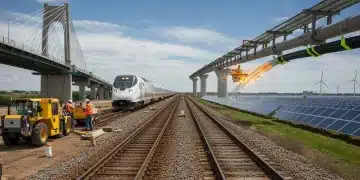
Understanding the New US Infrastructure Bill: $1.2 Trillion Allocated for 2026 Projects
The United States stands on the cusp of a monumental transformation, thanks to the recently enacted US Infrastructure Bill, officially known as the Infrastructure Investment and Jobs Act. This landmark legislation, a bipartisan effort, earmarks an unprecedented $1.2 trillion for infrastructure projects, with a significant portion dedicated to initiatives slated for completion or substantial progress by 2026. This comprehensive bill is not merely about repairing crumbling roads and bridges; it’s a forward-looking investment designed to modernize the nation’s infrastructure, foster economic growth, create millions of jobs, and enhance global competitiveness. Understanding the nuances of this massive undertaking is crucial for businesses, local governments, and citizens alike, as its ripple effects will touch nearly every aspect of American life.
The sheer scale of the US Infrastructure Bill is breathtaking. It represents the largest long-term investment in American infrastructure in generations, addressing critical needs that have been neglected for decades. From improving transportation networks to expanding broadband internet access, upgrading water systems, and investing in clean energy, the bill tackles a wide array of challenges. The goal is not just to fix what’s broken but to build a more resilient, sustainable, and equitable future for all Americans. This article will delve deep into the core components of the bill, explore its funding mechanisms, highlight the key sectors poised for growth, and analyze the potential economic and societal impacts, particularly focusing on the ambitious targets set for 2026.
The Genesis and Goals of the US Infrastructure Bill
The journey to the US Infrastructure Bill was long and arduous, reflecting years of debate over the nation’s deteriorating infrastructure. Experts and policymakers have long warned about the economic drag caused by outdated roads, unreliable public transit, and insufficient digital connectivity. The American Society of Civil Engineers (ASCE) has consistently graded the nation’s infrastructure poorly, underscoring the urgent need for significant investment. The COVID-19 pandemic further exposed vulnerabilities, particularly in supply chains and digital disparities, adding impetus to the calls for action.
The primary goal of the US Infrastructure Bill is multi-faceted. First and foremost, it aims to repair and upgrade existing infrastructure. This includes fixing hundreds of thousands of miles of roads and thousands of bridges in poor condition, reducing congestion, and improving safety. Secondly, the bill seeks to modernize infrastructure for the 21st century, incorporating new technologies and preparing for future challenges. This involves expanding access to high-speed internet, investing in electric vehicle charging networks, and fortifying infrastructure against the impacts of climate change. Thirdly, it’s a significant job creation engine, projected to generate millions of good-paying jobs across various sectors, from construction and manufacturing to engineering and technology. Finally, the bill endeavors to enhance America’s global competitiveness by ensuring efficient movement of goods and people, and by fostering innovation in key industries.
The bipartisan nature of the bill is also a critical aspect of its genesis. Passing such a comprehensive package required significant negotiation and compromise, demonstrating a shared understanding of the national importance of infrastructure investment. This bipartisan support lends greater stability and longevity to the initiatives, increasing the likelihood of successful implementation and sustained impact over the coming years, particularly as projects ramp up towards their 2026 milestones.
Key Pillars of Investment: Where the $1.2 Trillion is Going
The $1.2 trillion allocated by the US Infrastructure Bill is strategically distributed across several critical areas, each designed to address specific needs and generate significant returns. Understanding these key pillars is essential to grasp the full scope of the bill’s ambitions.
Transportation: Roads, Bridges, Transit, and Rail
A substantial portion of the funding, approximately $550 billion in new spending, is dedicated to traditional infrastructure, with transportation taking center stage. This includes:
- Roads and Bridges: Over $110 billion is allocated to repair and rebuild roads and bridges, with a focus on climate change mitigation, safety, and equity. This will address the backlog of maintenance and improve the condition of surface transportation infrastructure across the country. Many of these projects are expected to be well underway or completed by 2026, significantly improving travel and commerce.
- Public Transit: The bill provides $39 billion to modernize public transit, the largest investment in public transit in U.S. history. This funding will expand transit options, improve accessibility for people with disabilities, and replace older vehicles with zero-emission models, contributing to cleaner air and more efficient urban mobility.
- Passenger and Freight Rail: Amtrak alone receives $66 billion to eliminate its maintenance backlog, modernize the Northeast Corridor, and expand service to new cities. This investment aims to improve rail safety, reliability, and speed, offering a viable alternative to air and car travel for many Americans.
- Ports and Airports: Over $17 billion is designated for port infrastructure and $25 billion for airports to address repair backlogs, reduce congestion, and cut emissions. These upgrades are vital for strengthening supply chains and enhancing global trade competitiveness.
Broadband Internet: Bridging the Digital Divide
Recognizing that high-speed internet is no longer a luxury but a necessity, the US Infrastructure Bill allocates $65 billion to ensure every American has access to reliable and affordable broadband. This is a crucial step towards bridging the digital divide, particularly in rural and underserved areas. The goal is to lower costs, increase access, and promote digital equity, enabling more people to participate in the modern economy, access education, and receive healthcare remotely. By 2026, significant progress is expected in connecting millions of currently unserved households and businesses.
Water Infrastructure: Clean Water for All
The bill invests $55 billion to upgrade America’s water infrastructure, ensuring clean, safe drinking water for all communities. This includes replacing lead pipes, addressing emerging contaminants, and improving wastewater infrastructure. This investment is critical for public health, environmental protection, and economic development, especially in communities that have long suffered from outdated or contaminated water systems. The urgency of these projects means many will be prioritized for rapid implementation, with tangible improvements anticipated by 2026.
Power and Grid: Modernizing Energy Systems
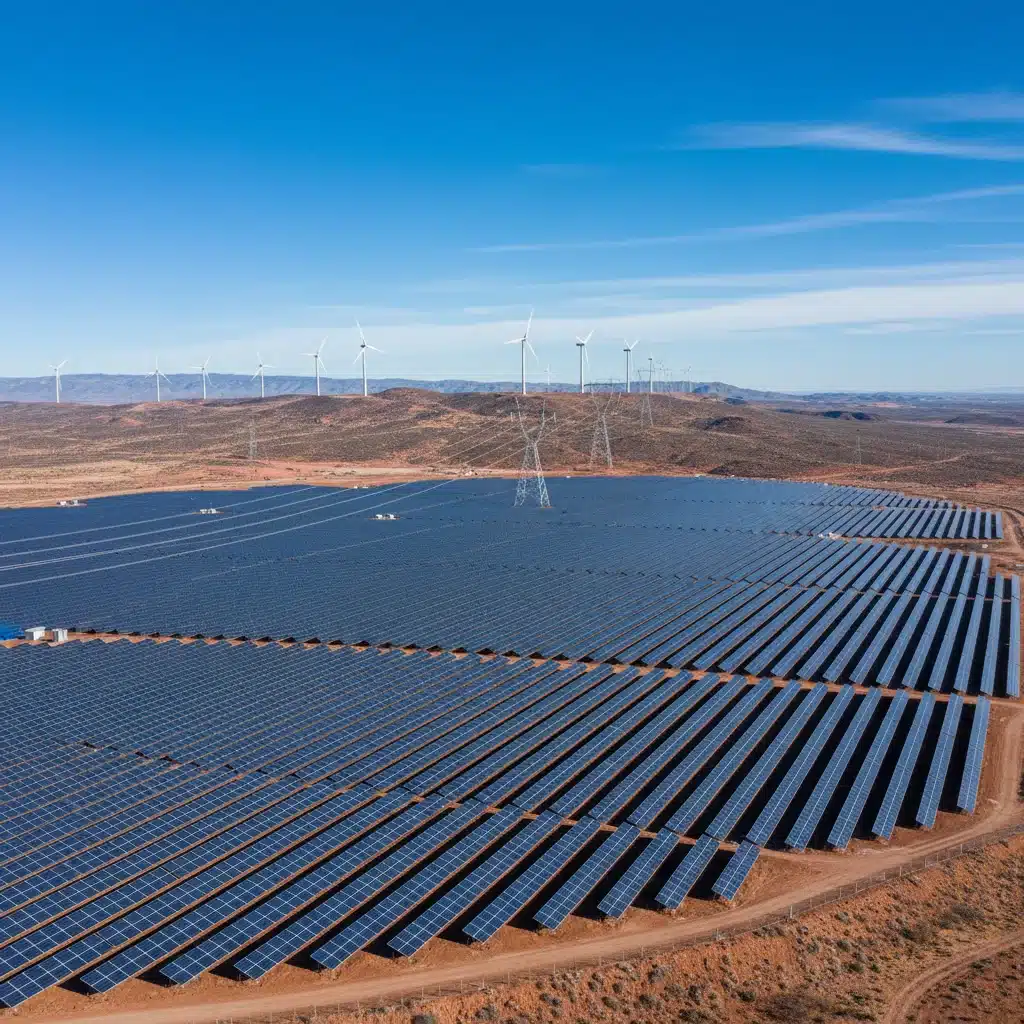
To build a more resilient and clean energy future, the US Infrastructure Bill allocates $73 billion to modernize the nation’s power grid. This funding will support the deployment of clean energy technologies, expand renewable energy transmission, and make the grid more resilient to extreme weather events and cyberattacks. It also includes investments in smart grid technologies and energy storage, paving the way for a more sustainable energy landscape. The push for clean energy infrastructure will see substantial development by 2026.
Resilience and Environmental Remediation
The bill also includes significant funding for climate resilience and environmental cleanup. This encompasses:
- Climate Resilience: Over $50 billion is dedicated to protecting communities from droughts, floods, wildfires, and other extreme weather events. This includes investments in coastal restoration, forest management, and flood control projects.
- Environmental Remediation: Billions are allocated to clean up Superfund and brownfield sites, reclaim abandoned mine lands, and cap orphaned oil and gas wells. These efforts will improve public health, create jobs, and revitalize communities.
Funding the Future: Mechanisms Behind the $1.2 Trillion
A common question surrounding the US Infrastructure Bill is how such a massive investment will be funded. The $1.2 trillion package is financed through a combination of repurposed unspent COVID-19 relief funds, unemployment insurance program integrity measures, targeted corporate user fees, and other budget savings. Critically, the Congressional Budget Office (CBO) projected that the bill would add $256 billion to the deficit over 10 years, a figure that sparked debate but ultimately did not derail the legislation.
The funding structure is designed to leverage existing resources and implement new, non-tax revenue streams. For instance, the sale of C-band spectrum for 5G, a portion of which was already planned, contributes to the bill’s revenue. Additionally, various other provisions, such as delaying Medicare Part D rebate rule and extending customs user fees, contribute to the overall funding. This diversified approach aims to minimize the direct impact on taxpayers while ensuring the necessary capital for these ambitious projects. The strategic allocation and staggered release of funds will allow for a sustained investment pipeline, with significant disbursements scheduled to enable the 2026 project goals.
Economic Impact and Job Creation by 2026
The economic ramifications of the US Infrastructure Bill are expected to be profound and far-reaching. Economists project that the investment will create millions of jobs, both directly in construction and indirectly in supporting industries. The White House Council of Economic Advisers estimated that the bill would add an average of 1.5 million jobs per year over the next decade.
Direct and Indirect Job Creation
- Direct Jobs: These include workers in construction, engineering, manufacturing (for materials like steel, cement, and electrical components), and skilled trades involved in building and repairing infrastructure.
- Indirect Jobs: These are jobs created in industries that supply goods and services to the direct job sectors, such as logistics, machinery production, and raw material extraction.
- Induced Jobs: These jobs result from the increased spending power of workers employed in direct and indirect roles, boosting local economies in retail, services, and other sectors.
By 2026, the cumulative effect of these job creations will be substantial, providing employment opportunities across the country and helping to strengthen the middle class. The demand for skilled labor will increase, potentially leading to higher wages and investments in workforce development programs. Moreover, improved infrastructure will reduce transportation costs, enhance supply chain efficiency, and attract private investment, leading to sustained economic growth. Businesses will benefit from faster transit times, more reliable utilities, and expanded market access due to better digital connectivity.
Boosting Productivity and Competitiveness
Modernized infrastructure is a direct driver of productivity. Efficient transportation networks reduce commuting times and shipping costs. Reliable broadband internet enables telework, e-commerce, and access to digital resources, boosting business efficiency and innovation. A more resilient power grid minimizes disruptions, ensuring continuous operation for industries. These improvements collectively make the U.S. economy more competitive on a global scale, attracting foreign investment and fostering domestic innovation. The progress made by 2026 will lay a solid foundation for long-term economic prosperity.
Opportunities and Challenges for 2026 Projects
The US Infrastructure Bill presents a wealth of opportunities, but also significant challenges in its implementation, especially concerning the ambitious timeline for 2026 projects.
Opportunities for Businesses and Communities
- Construction and Engineering Firms: A boom in contracts for road, bridge, transit, and water projects.
- Manufacturing: Increased demand for construction materials, equipment, and components.
- Technology and Telecom: Extensive opportunities in broadband deployment, smart grid technologies, and intelligent transportation systems.
- Clean Energy: Significant investments in renewable energy infrastructure, electric vehicle charging, and grid modernization.
- Workforce Development: Programs and funding for training and upskilling the workforce to meet the demands of these new projects.
- Local Governments: Access to federal grants and funding to address long-standing infrastructure needs in their communities.
For communities, the benefits extend beyond economic growth. Improved public transit means better access to jobs and services. Clean water initiatives enhance public health. Expanded broadband connects residents to essential resources. Climate resilience projects protect homes and livelihoods from environmental threats. The tangible improvements by 2026 will be a testament to these investments.
Challenges in Implementation
Despite the optimism, several challenges must be navigated to ensure the successful execution of the US Infrastructure Bill‘s projects by 2026:
- Supply Chain Disruptions: Global supply chain issues could delay the procurement of materials and equipment, impacting project timelines and costs.
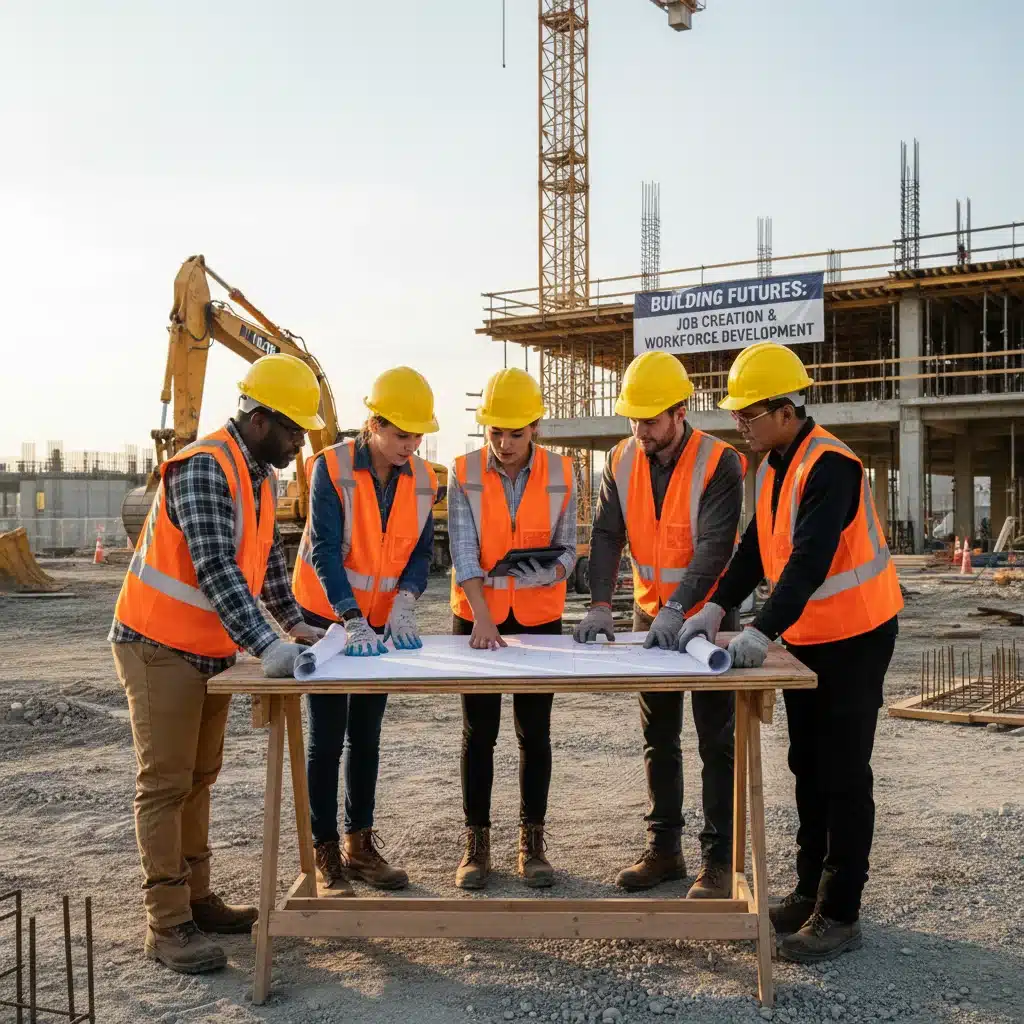
- Workforce Shortages: A shortage of skilled labor in construction and related fields could hinder progress. Robust workforce development programs will be crucial.
- Inflation: Rising costs of materials and labor could reduce the purchasing power of the allocated funds, potentially leading to fewer projects or cost overruns.
- Permitting and Regulatory Hurdles: Navigating complex federal, state, and local permitting processes can be time-consuming and slow down project initiation. Streamlining these processes while maintaining environmental safeguards will be key.
- Coordination Across Jurisdictions: Effective collaboration between federal agencies, state governments, local municipalities, and private entities is essential for seamless project execution.
- Equitable Distribution: Ensuring that funding is distributed equitably and reaches underserved communities will require careful planning and oversight.
Addressing these challenges proactively will be vital for realizing the full potential of the US Infrastructure Bill and ensuring that the 2026 targets are met efficiently and effectively.
Long-Term Vision Beyond 2026: A Sustainable Future
While the focus on 2026 projects is significant, the US Infrastructure Bill is fundamentally about laying the groundwork for a sustainable and prosperous future that extends far beyond this initial timeframe. The investments made today are designed to have a lasting impact for generations to come.
Climate Change Resilience and Green Infrastructure
A core component of the bill is its emphasis on climate change resilience. By investing in infrastructure that can withstand extreme weather, the U.S. is proactively protecting its communities and economy from the escalating costs of climate-related disasters. The promotion of clean energy, electric vehicles, and public transit will also contribute significantly to reducing greenhouse gas emissions, aligning with national and international climate goals. This shift towards green infrastructure will not only mitigate environmental impact but also create new industries and jobs in the burgeoning clean energy sector.
Technological Advancement and Innovation
The bill is a catalyst for technological advancement. Investments in smart grid technologies, intelligent transportation systems, and advanced broadband networks will foster innovation and position the U.S. as a leader in emerging technologies. This digital transformation of infrastructure will make systems more efficient, responsive, and secure, enhancing the quality of life for citizens and the competitiveness of businesses. The foundation built by 2026 will enable continuous innovation and adaptation to future technological shifts.
Equity and Inclusive Growth
A significant underlying principle of the US Infrastructure Bill is the promotion of equity. By targeting investments in underserved communities, addressing lead pipe replacement, and expanding broadband access, the bill aims to reduce disparities and ensure that all Americans have access to essential services and opportunities. This focus on inclusive growth is critical for building a stronger, more cohesive nation where economic benefits are shared broadly. The early stages of project implementation by 2026 will prioritize these equity considerations.
Conclusion: A New Era for American Infrastructure
The US Infrastructure Bill represents a pivotal moment for the United States. The allocation of $1.2 trillion for projects, with a strong emphasis on those making substantial progress or completion by 2026, signals a renewed commitment to rebuilding and modernizing the nation’s foundational systems. From revitalizing transportation networks and ensuring clean water to bridging the digital divide and accelerating the transition to clean energy, the bill addresses critical needs that have been decades in the making.
While the scale of the investment is immense, so too are the opportunities it presents. It promises to create millions of jobs, stimulate economic growth, enhance productivity, and improve the quality of life for millions of Americans. However, successful implementation will depend on overcoming various challenges, including supply chain disruptions, workforce shortages, and complex regulatory processes. Effective collaboration between government entities, private industry, and communities will be paramount to realizing the full potential of this historic legislation.
As the nation moves forward with these ambitious plans, the impact of the US Infrastructure Bill will reverberate for generations. The projects initiated and completed by 2026 will serve as tangible evidence of a nation investing in its future, building a more resilient, sustainable, and equitable infrastructure for all.