Adult Learners 2026: Top 5 Government-Funded Reskilling Programs

Adult Learners in 2026: Discover 5 Government-Funded Programs for Reskilling (FINANCIAL IMPACT)
The landscape of work is in constant flux, driven by technological advancements, global economic shifts, and evolving industry demands. For adult learners, this presents both challenges and unparalleled opportunities. The good news? Governments worldwide are recognizing the critical need to support their workforces through these transitions. In 2026, several Government Reskilling Programs stand out as beacons of hope, offering not just new skills but also a pathway to enhanced financial stability and career longevity.
This comprehensive guide delves into five pivotal government-funded initiatives designed to empower adult learners. We’ll explore their objectives, eligibility criteria, the financial benefits they offer, and how you can leverage them to future-proof your career. Whether you’re looking to pivot into a high-demand sector, upgrade existing skills, or simply stay competitive, these programs are crucial resources for your professional development.
The Shifting Sands of the 2026 Job Market: Why Reskilling is Non-Negotiable
Before we dive into specific Government Reskilling Programs, it’s essential to understand the forces making reskilling an absolute necessity. Automation, artificial intelligence, and digitalization are not just buzzwords; they are transformative technologies reshaping every industry. Jobs that were once stable are now either being automated or requiring a completely different skill set. The World Economic Forum predicts that over half of all employees will require significant reskilling by 2025. This trend has only accelerated into 2026, making continuous learning and adaptation key to professional survival and growth.
For adult learners, the stakes are particularly high. Many have established careers, families, and financial commitments. The thought of returning to education can seem daunting, both in terms of time and cost. This is precisely where government-funded initiatives become invaluable. They often provide not only the training but also financial support, alleviating the burden and making the transition smoother. These Government Reskilling Programs are investments in human capital, designed to ensure a robust and adaptable national workforce.
The financial impact of reskilling is profound. Individuals who acquire in-demand skills often experience significant wage increases, improved job security, and greater career satisfaction. For economies, a skilled workforce translates to increased productivity, innovation, and global competitiveness. Therefore, these programs are not merely social welfare initiatives; they are strategic economic drivers.
Understanding Government Reskilling Programs: A General Overview
Government-funded reskilling programs vary widely in scope, focus, and structure, but they share a common goal: to equip individuals with the skills needed for the jobs of today and tomorrow. These programs can be administered at federal, state, or even local levels, often in partnership with educational institutions, private companies, and non-profit organizations.
Key Characteristics of Effective Government Reskilling Programs:
- Targeted Training: Programs are typically focused on high-demand sectors such as technology (e.g., cybersecurity, data science, AI development), healthcare, renewable energy, advanced manufacturing, and skilled trades.
- Financial Assistance: This is a cornerstone. Aid can come in various forms, including tuition waivers, scholarships, stipends for living expenses, childcare support, and even transportation allowances. The aim is to remove financial barriers to participation.
- Flexible Learning Formats: Recognizing the commitments of adult learners, many programs offer flexible options such as online courses, hybrid models, evening classes, and accelerated bootcamps.
- Career Support Services: Beyond training, successful programs often include career counseling, resume building workshops, interview preparation, and job placement assistance to ensure successful transition into new roles.
- Industry Partnerships: Collaboration with employers ensures that the skills taught are directly relevant to industry needs, often leading to apprenticeships or guaranteed job interviews upon completion.
Navigating the myriad of options can be complex. Therefore, understanding the general framework of these Government Reskilling Programs is the first step towards finding the right fit for your career aspirations.
Program 1: The National Digital Skills Initiative (NDSI)
Focus: High-Tech and Digital Economy Roles
The National Digital Skills Initiative (NDSI) is a flagship federal program launched to address the critical shortage of skilled workers in the digital economy. Recognizing that almost every sector now requires digital proficiency, NDSI aims to upskill and reskill adult learners for roles in cybersecurity, artificial intelligence, data analytics, cloud computing, and software development.
Eligibility and Application:
Typically, applicants must be over 18, legally authorized to work, and often demonstrate a foundational level of digital literacy. Some programs within NDSI may prioritize individuals from underrepresented groups or those who have been displaced from traditional industries. The application process usually involves an online form, a skills assessment, and sometimes an interview.
Financial Benefits:
NDSI is particularly generous with its financial support. It often covers 100% of tuition costs for approved courses and bootcamps. Additionally, eligible participants can receive monthly stipends for living expenses, assistance with technology purchases (laptops, software), and even childcare subsidies. The financial impact here is designed to be transformative, allowing individuals to focus fully on their studies without undue economic stress.
Success Stories and Impact:
Since its inception, NDSI has seen thousands of graduates transition into high-paying tech roles. For instance, Maria, a former retail manager, used NDSI to retrain as a cybersecurity analyst and now earns 70% more than her previous role. The program’s strong industry partnerships mean that many graduates secure employment even before completing their training.
The NDSI is a prime example of how Government Reskilling Programs can directly address skill gaps and provide a robust pathway to economic mobility. Its comprehensive support system makes it accessible to a wide range of adult learners, regardless of their prior background.
Program 2: The Green Collar Workforce Development Fund
Focus: Renewable Energy and Sustainable Industries
As the world shifts towards a greener economy, the demand for professionals in renewable energy, sustainable agriculture, and eco-friendly manufacturing is skyrocketing. The Green Collar Workforce Development Fund is a dedicated government initiative to train adult learners for these burgeoning industries. This program is crucial for meeting climate goals while simultaneously creating new, stable employment opportunities.
Eligibility and Application:
This fund targets individuals interested in environmental careers, often with a preference for those from communities most affected by climate change or economic transitions away from fossil fuels. Entry requirements are generally flexible, focusing more on aptitude and commitment than prior specific experience. Applications typically involve a statement of interest and sometimes a basic aptitude test related to technical skills.
Financial Benefits:
The Green Collar Workforce Development Fund offers substantial grants to cover training costs for certifications and associate degrees in fields like solar panel installation, wind turbine maintenance, energy efficiency auditing, and sustainable construction. Additionally, it provides funding for tools and equipment necessary for the trades, and often includes paid apprenticeship opportunities, ensuring learners earn while they learn. This direct financial support minimizes out-of-pocket expenses for participants, making a career in green industries an attainable goal.
Success Stories and Impact:
John, a former factory worker, utilized this fund to become a certified solar technician. He not only found a new career with excellent growth prospects but also contributes positively to environmental sustainability. The fund’s emphasis on hands-on training and direct placement has led to a high success rate in securing employment for its graduates.
This initiative highlights the proactive approach of Government Reskilling Programs in aligning workforce development with national strategic priorities, such as climate action and sustainable economic growth.
Program 3: Advanced Manufacturing Skills Initiative (AMSI)
Focus: Modern Manufacturing and Robotics
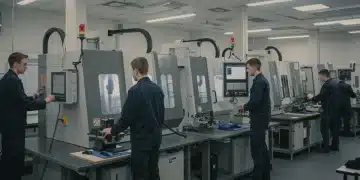
Despite popular belief, manufacturing is far from dead; it is evolving rapidly. Advanced manufacturing relies heavily on automation, robotics, data integration, and sophisticated machinery. The Advanced Manufacturing Skills Initiative (AMSI) is designed to equip adult learners with the expertise needed to thrive in this high-tech industrial landscape, replacing outdated skills with those required for Industry 4.0.
Eligibility and Application:
AMSI welcomes individuals with a strong mechanical aptitude or those looking to transition from traditional manufacturing into more advanced roles. There are often programs specifically tailored for veterans and individuals from economically disadvantaged backgrounds. The application process typically involves an assessment of mechanical reasoning and problem-solving skills.
Financial Benefits:
This program provides significant subsidies for vocational training, technical certifications, and even some associate degrees in areas like robotics programming, mechatronics, advanced welding, and quality control. Financial aid can cover tuition, specialized equipment, and safety gear. Many AMSI programs are structured as apprenticeships, offering competitive wages from day one, thus providing immediate financial relief and practical experience.
Success Stories and Impact:
Sarah, who had been working in a traditional assembly line, completed an AMSI program in robotics maintenance. She now oversees automated production lines, enjoying a significant salary increase and a more intellectually stimulating role. AMSI’s strong ties with local manufacturers ensure that graduates are placed into relevant and well-paying jobs, directly contributing to regional economic stability.
The AMSI demonstrates how Government Reskilling Programs can revitalize traditional sectors by integrating new technologies and fostering a highly skilled workforce ready for the challenges of modern industrial production.
Program 4: Healthcare Career Pathways Program (HCPP)
Focus: Allied Health and Healthcare Support Roles
The healthcare sector remains one of the most stable and continuously growing industries, with an aging population and advancements in medical science driving constant demand for skilled professionals. The Healthcare Career Pathways Program (HCPP) is a critical government initiative aimed at training adult learners for essential allied health and healthcare support roles, alleviating staffing shortages and providing vital community services.
Eligibility and Application:
HCPP is open to individuals with a passion for helping others, often requiring a high school diploma or equivalent. Programs are available for various roles, including certified nursing assistants (CNAs), medical assistants, phlebotomists, medical coders, and health information technicians. The application process usually involves background checks, health screenings, and a basic literacy assessment, reflecting the sensitive nature of healthcare work.
Financial Benefits:
This program offers extensive financial aid, often covering the full cost of certifications and vocational training programs. In many cases, HCPP provides stipends for living expenses, transportation assistance, and even assistance with licensing exam fees. Some programs are directly integrated with local hospitals and clinics, offering paid externships that provide invaluable hands-on experience and immediate income.
Success Stories and Impact:
David, a former hospitality worker, enrolled in an HCPP program to become a medical assistant. He quickly found a rewarding job in a local clinic, enjoying better benefits and a more stable career path. The program’s focus on practical skills and direct placement has been instrumental in addressing healthcare staffing needs while empowering individuals to enter a compassionate and vital profession.
The HCPP is a testament to how Government Reskilling Programs can serve both individual career aspirations and critical societal needs, fostering a healthier and more resilient community.
Program 5: Small Business & Entrepreneurship Empowerment Grant (SBEEG)
Focus: Entrepreneurship and Small Business Development
Not all reskilling involves working for an established employer. Many adult learners possess the ambition to start their own businesses or become independent contractors. The Small Business & Entrepreneurship Empowerment Grant (SBEEG) is a unique government-funded program designed to provide adult learners with the knowledge, resources, and initial capital to launch and sustain their own ventures.
Eligibility and Application:
SBEEG targets individuals with a viable business idea or those looking to formalize and grow an existing micro-business. Applicants must typically submit a detailed business plan, attend workshops on business fundamentals, and demonstrate a commitment to entrepreneurship. The program often prioritizes women, minorities, veterans, and individuals from low-income backgrounds.
Financial Benefits:
Unlike other programs focused on direct employment, SBEEG provides grants for business training, mentorship, legal and financial advisory services, and seed funding to cover initial startup costs. This can include funds for marketing, equipment, website development, and inventory. The financial impact is direct business capitalization, allowing aspiring entrepreneurs to turn their ideas into reality without prohibitive upfront costs.
Success Stories and Impact:
Lena, a stay-at-home parent, used SBEEG to launch her online artisanal bakery. The grant provided her with professional training in e-commerce and a significant portion of her initial equipment costs. Her business is now thriving, providing her with financial independence and flexible work arrangements. SBEEG not only empowers individuals but also stimulates local economies by fostering new businesses and job creation.
This program exemplifies how Government Reskilling Programs can extend beyond traditional employment, supporting the entrepreneurial spirit and contributing to a dynamic and diverse economic landscape.
Maximizing Your Chances: Tips for Applying to Government Reskilling Programs
While the benefits of these Government Reskilling Programs are clear, securing a spot often requires a strategic approach. Here are some tips to enhance your application and make the most of these opportunities:
- Research Thoroughly: Don’t just apply to the first program you find. Investigate all available options at federal, state, and local levels. Ensure the program’s focus aligns with your career goals and interests.
- Understand Eligibility Criteria: Pay close attention to specific requirements. Do you need a high school diploma? Is there an age limit? Are there income thresholds? Being clear on these will save you time and effort.
- Prepare a Strong Application: Treat your application seriously. Write a compelling personal statement or cover letter explaining why you are a good fit for the program and how it will impact your career. Highlight any relevant experience, even if it’s not directly related.
- Gather Necessary Documentation: Be prepared to provide identification, educational transcripts, proof of income (if applicable), and any other required documents. Having these ready will streamline the application process.
- Seek Guidance: Many government programs have navigators or advisors who can help you through the application process. Don’t hesitate to reach out for assistance or clarification. Community colleges, workforce development centers, and non-profits often offer free support.
- Demonstrate Commitment: Show that you are genuinely committed to completing the program and utilizing the skills. This can be conveyed through your personal statement, during interviews, and by actively participating in any pre-program workshops.
- Network: Attend informational sessions, career fairs, and online webinars related to the programs. Networking can provide valuable insights, connect you with mentors, and even lead to job opportunities after training.
- Plan for the Transition: While financial aid helps, plan for the lifestyle adjustments that come with returning to education. Consider how you’ll manage your time, family responsibilities, and any remaining financial gaps.
By taking these steps, you can significantly increase your likelihood of being accepted into a program and successfully leveraging it for your career advancement. Remember, these Government Reskilling Programs are designed to help you succeed, and proactive engagement is key.
The Long-Term Financial Impact of Reskilling
The financial benefits of participating in Government Reskilling Programs extend far beyond the immediate relief of tuition coverage or stipends. The long-term impact on your financial well-being can be truly transformative:
- Increased Earning Potential: Acquiring in-demand skills directly correlates with higher salaries. Many reskilling graduates report significant wage increases, sometimes doubling their previous income, especially when transitioning into high-growth sectors like tech or healthcare.
- Enhanced Job Security: Skills in emerging industries are less susceptible to automation or outsourcing, providing greater stability in your career. This reduces the risk of unemployment and the associated financial stress.
- Career Advancement Opportunities: Reskilling opens doors to promotions, leadership roles, and more complex, challenging work. This upward mobility further boosts earning potential and job satisfaction.
- Reduced Debt: By covering tuition and sometimes living expenses, these programs prevent adult learners from accumulating significant educational debt, a common barrier to career change.
- Improved Financial Literacy and Planning: Many programs include components on financial planning, budgeting, and investment, empowering learners to manage their newfound wealth more effectively.
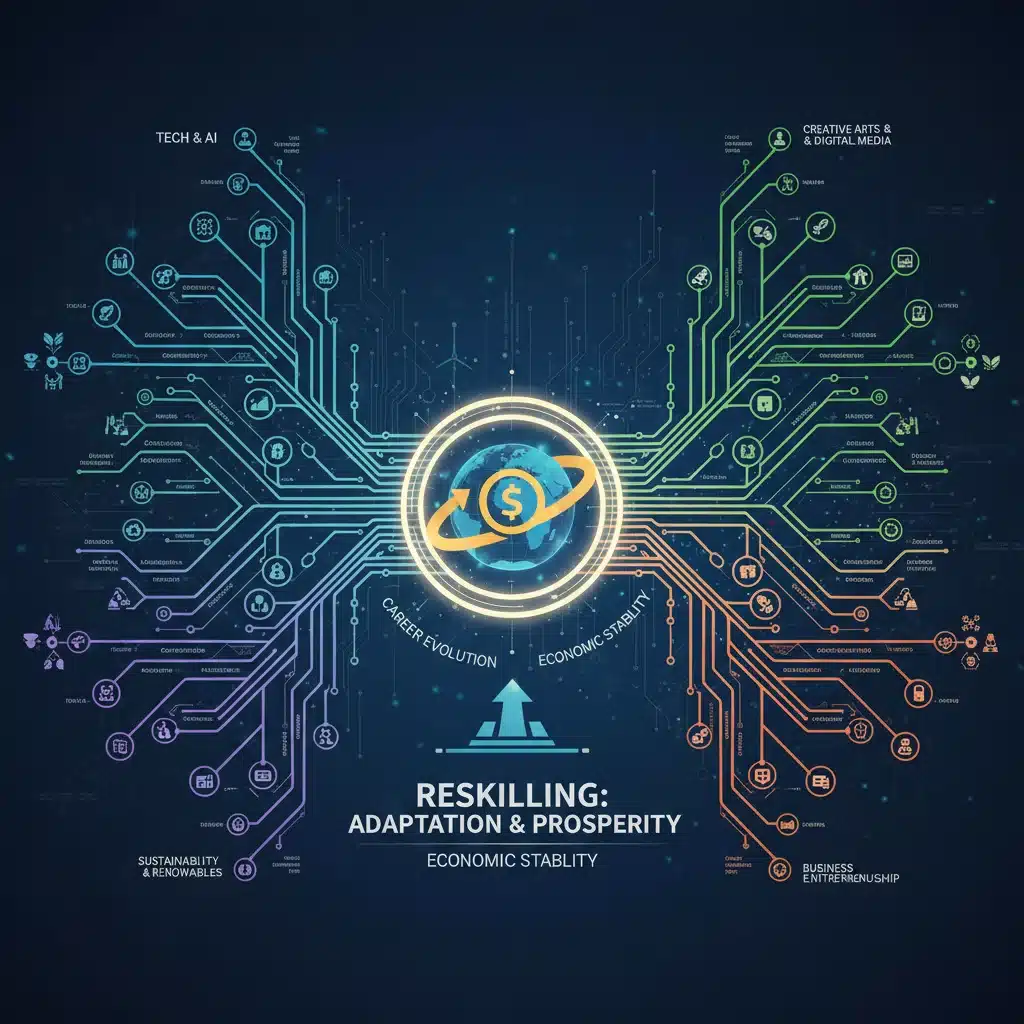
- Economic Resilience: A diverse skill set makes you more adaptable to future economic shifts. If one industry faces a downturn, your reskilled abilities allow you to pivot to another, maintaining financial stability.
Investing in yourself through these government-backed initiatives is one of the most strategic financial decisions an adult learner can make in 2026. It’s not just about getting a new job; it’s about building a more secure, prosperous, and fulfilling financial future.
Conclusion: Your Future, Reskilled and Ready for 2026 and Beyond
The year 2026 stands as a pivotal moment for adult learners. The availability of robust Government Reskilling Programs offers an unprecedented opportunity to adapt, grow, and thrive in an ever-evolving job market. From the digital frontiers of the National Digital Skills Initiative to the sustainable growth fostered by the Green Collar Workforce Development Fund, and from the precision of Advanced Manufacturing to the compassion of Healthcare Career Pathways, and the innovation of the Small Business & Entrepreneurship Empowerment Grant, there is a pathway for nearly everyone.
These programs are more than just training courses; they are comprehensive support systems designed to mitigate financial barriers, provide relevant skills, and facilitate successful career transitions. The financial impact on individuals and the broader economy is undeniable, paving the way for increased earning potential, enhanced job security, and a more resilient workforce.
If you are an adult learner contemplating a career change, seeking to upgrade your skills, or aiming to launch your own business, now is the time to explore these invaluable resources. Take the initiative, research the programs that align with your aspirations, prepare a strong application, and embark on a journey of professional transformation. Your future self will thank you for seizing these government-funded opportunities to reskill and redefine your career path in 2026 and for many years to come.