Congressional Update: New Healthcare Reform Legislation Expected Q1 2026

The landscape of American healthcare is perpetually in motion, a dynamic field shaped by legislative efforts, technological advancements, and the evolving needs of the populace. As we approach the first quarter of 2026, anticipation is building around a significant congressional undertaking: new healthcare reform legislation. This impending legislative package promises to be more than just a tweak to existing policies; it is poised to introduce substantial changes that could redefine how healthcare is accessed, delivered, and financed across the nation. Understanding the potential scope, implications, and political currents surrounding this legislation is crucial for every stakeholder, from healthcare providers and insurers to patients and policymakers.
The journey towards comprehensive healthcare reform is often fraught with complexities, political divides, and a myriad of competing interests. Yet, the persistent challenges within the current system – rising costs, issues of access, disparities in quality, and the ongoing debate over the role of government versus private enterprise – necessitate continuous efforts to improve and adapt. The upcoming healthcare reform legislation is a response to these pressing concerns, reflecting a concerted effort by Congress to address some of the most enduring problems that have plagued the American healthcare system for decades.
This article aims to provide a comprehensive overview of what we can expect from this new legislative push. We will delve into the historical context of healthcare reform in the United States, examine the key drivers behind the current legislative initiatives, and explore the potential areas of focus for the new bill. Furthermore, we will analyze the political landscape, identifying the major players and their likely stances, and consider the potential economic and social impacts of the proposed changes. Our goal is to equip you with the knowledge needed to navigate the complexities of this crucial period, offering insights into how the new healthcare reform legislation might shape the future of healthcare in America.
Historical Context of US Healthcare Reform
To fully appreciate the significance of the impending healthcare reform legislation, it’s essential to look back at the historical trajectory of healthcare policy in the United States. The nation has a long and often contentious history of grappling with how to provide affordable, accessible, and quality healthcare to its citizens. From the early 20th century’s nascent discussions about national health insurance to the landmark legislations of Medicare and Medicaid in the 1960s, and more recently, the Affordable Care Act (ACA) of 2010, each era has brought its own set of challenges and proposed solutions.
The creation of Medicare and Medicaid in 1965 under President Lyndon B. Johnson marked a pivotal moment, establishing government-funded health insurance programs for the elderly and low-income individuals, respectively. These programs significantly expanded access to care but also laid the groundwork for ongoing debates about government involvement in healthcare and the sustainable funding of such expansive initiatives. The decades that followed saw various attempts at incremental reforms, often focusing on specific issues like managed care, prescription drug costs, or patient rights, but rarely achieving the broad, systemic overhaul many policymakers and advocates desired.
The Affordable Care Act, signed into law by President Barack Obama, represented the most significant attempt at comprehensive healthcare reform legislation since Medicare and Medicaid. The ACA aimed to expand health insurance coverage through mandates, subsidies, and the creation of health insurance marketplaces, while also introducing numerous consumer protections and efforts to control costs. Despite its successes in reducing the uninsured rate, the ACA has remained a highly polarizing piece of legislation, facing numerous legal challenges and repeated attempts at repeal and replacement. Its implementation highlighted the deep ideological divisions within American politics regarding healthcare, particularly concerning the balance between individual responsibility, market forces, and government intervention.
The lessons learned from the ACA era are likely to heavily influence the crafting of the new healthcare reform legislation. Policymakers are acutely aware of the need to address affordability, ensure broad access, and maintain or improve quality, all while navigating a politically charged environment. The current legislative push is not occurring in a vacuum; it builds upon decades of policy successes, failures, and ongoing debates, aiming to learn from the past to forge a more sustainable and equitable future for American healthcare.
Key Drivers Behind the New Legislation
Several critical factors are converging to drive the momentum for new healthcare reform legislation in Q1 2026. These drivers reflect both persistent systemic issues and emerging challenges that demand a legislative response. Understanding these underlying pressures is key to predicting the likely focus and content of the upcoming bill.
Rising Healthcare Costs and Affordability
Perhaps the most prominent and enduring driver is the escalating cost of healthcare. The United States continues to spend significantly more per capita on healthcare than any other developed nation, yet often lags in key health outcomes. High premiums, exorbitant deductibles, and out-of-pocket expenses continue to burden families and businesses. Prescription drug prices, in particular, remain a major point of contention, with many Americans struggling to afford life-saving medications. The new healthcare reform legislation is almost certainly going to prioritize measures aimed at cost containment and improving affordability, potentially through negotiation powers, price caps, or increased transparency.
Access to Care and Health Disparities
Despite efforts like the ACA, millions of Americans still lack adequate health insurance coverage, and even those with insurance often face barriers to accessing timely and appropriate care. Geographic disparities, particularly in rural areas, and socioeconomic factors contribute to significant health disparities, where certain populations experience worse health outcomes. The legislative push will likely seek to expand coverage options, strengthen safety-net programs, and address the social determinants of health that contribute to these inequities. Enhancing access to primary care, mental health services, and specialized treatments will be crucial components of any meaningful healthcare reform legislation.
Provider Shortages and Workforce Challenges
The healthcare system is grappling with growing shortages of healthcare professionals, including doctors, nurses, and allied health workers. The COVID-19 pandemic exacerbated these issues, leading to burnout and early retirements. Addressing workforce challenges is vital for ensuring the capacity to deliver care. The new legislation may include provisions for funding medical education, incentivizing healthcare professionals to practice in underserved areas, expanding telehealth capabilities, and streamlining licensing processes across state lines. These measures are critical for the long-term sustainability and effectiveness of the healthcare system.
Technological Advancements and Digital Health
Rapid advancements in medical technology, artificial intelligence, and digital health tools present both opportunities and challenges. While these innovations can improve diagnostics, treatment, and patient engagement, they also raise questions about data privacy, equitable access to technology, and the integration of new tools into existing workflows. The upcoming healthcare reform legislation will likely consider how to best leverage these technologies to improve care delivery, enhance efficiency, and promote preventive health, while also establishing appropriate regulatory frameworks.
Public Demand and Political Imperative
Public opinion consistently ranks healthcare as a top concern. Voters across the political spectrum express dissatisfaction with various aspects of the current system, creating a political imperative for elected officials to act. With an eye towards upcoming election cycles, both parties are motivated to demonstrate progress on healthcare issues. This public demand, coupled with the ongoing political debate, provides a strong impetus for Congress to move forward with new healthcare reform legislation.
These interconnected drivers underscore the complexity and urgency of the task facing Congress. The new legislation will need to carefully balance these competing demands and interests to forge a path forward that is both effective and politically viable.
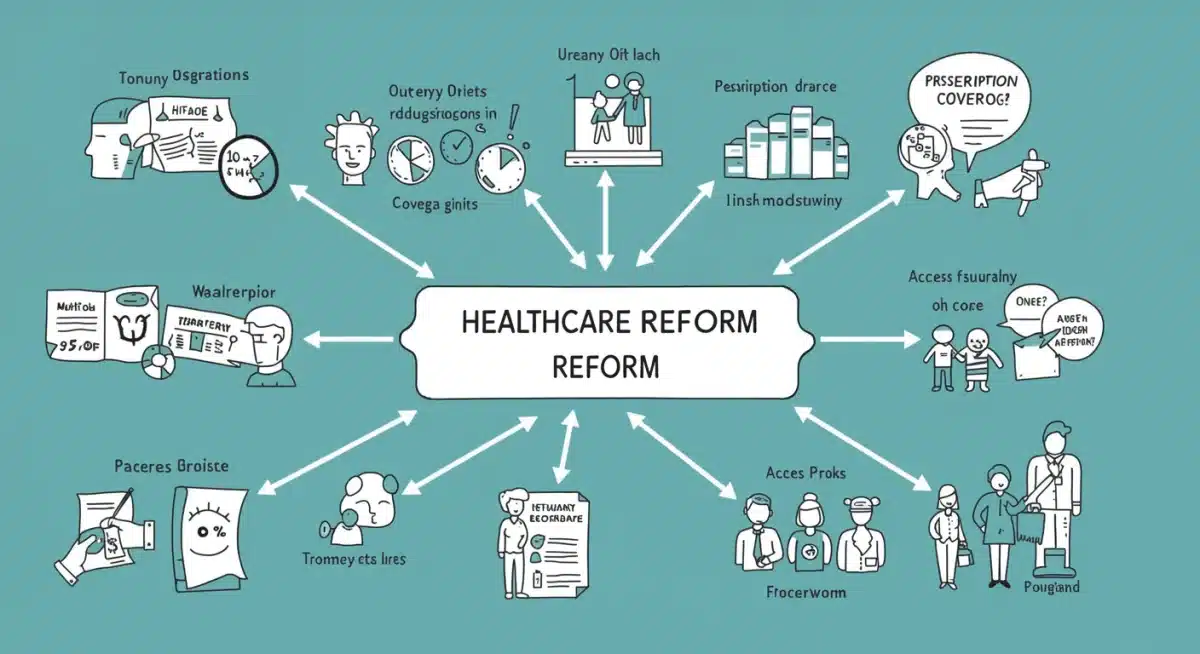
Potential Areas of Focus for the New Legislation
While the exact contours of the new healthcare reform legislation are still being shaped, several key areas are widely expected to be central to the congressional debate and the final bill. These areas reflect the primary challenges and opportunities within the current healthcare landscape.
Expanding Coverage and Strengthening the ACA
One of the most likely areas of focus will be strategies to expand health insurance coverage further. This could involve bolstering subsidies for marketplace plans, expanding Medicaid in states that have not yet done so, or exploring new public options. Rather than a full repeal and replace, there’s a growing consensus that strengthening the existing framework of the Affordable Care Act, potentially by addressing its perceived shortcomings, might be a more politically feasible approach. This could include measures to make plans more affordable, simplify enrollment, and extend coverage to more low-income individuals.
Addressing Prescription Drug Costs
The high cost of prescription drugs is a bipartisan concern, and it is almost guaranteed to be a major component of the new healthcare reform legislation. Potential measures include allowing Medicare to negotiate drug prices, increasing transparency in pharmaceutical pricing, accelerating the approval of generic and biosimilar drugs, and imposing limits on out-of-pocket costs for patients. There may also be efforts to address the role of pharmacy benefit managers (PBMs) and their impact on drug pricing.
Improving Price Transparency
A lack of transparency in healthcare pricing often leaves patients in the dark about the true cost of services until after they receive a bill. The new legislation may push for more robust price transparency requirements for hospitals, insurers, and other providers, allowing consumers to compare costs before receiving care. This could empower patients to make more informed decisions and potentially drive down costs through increased competition.
Mental Health and Behavioral Health Integration
The importance of mental health and behavioral health services has gained increasing recognition, especially in the wake of recent global events. The upcoming healthcare reform legislation is expected to include provisions aimed at improving access to mental health care, ensuring parity between physical and mental health benefits, and integrating behavioral health services more seamlessly into primary care settings. This could involve increased funding for mental health providers, expansion of telehealth for therapy, and programs to address the stigma associated with mental illness.
Strengthening Public Health Infrastructure
Lessons from recent public health crises have highlighted the need for a more robust and resilient public health infrastructure. The new legislation may allocate significant resources to public health initiatives, including disease surveillance, prevention programs, vaccine distribution, and emergency preparedness. This would represent a proactive approach to safeguarding national health and reducing the impact of future health emergencies.
Value-Based Care and Payment Reforms
Moving away from fee-for-service models towards value-based care, which rewards providers for patient outcomes rather than the volume of services, has been a long-standing goal. The new healthcare reform legislation might accelerate this transition by expanding alternative payment models, promoting coordinated care, and investing in data infrastructure to measure and improve quality. This shift aims to improve efficiency and quality while controlling costs in the long run.
These areas represent a broad spectrum of potential changes, each with its own set of complexities and potential impacts. The final legislation will likely be a combination of these and other proposals, shaped by negotiation and compromise within Congress.
The Political Landscape and Key Stakeholders
The passage of any significant healthcare reform legislation is inherently a political endeavor, requiring careful navigation of diverse interests, partisan divides, and the influence of powerful lobbying groups. The path to Q1 2026 will be defined by intense negotiations, strategic alliances, and public advocacy.
Congressional Dynamics
The composition of Congress – specifically the balance of power in the House and Senate – will play a decisive role. Bipartisan consensus is often elusive on healthcare issues, making it challenging to pass sweeping reforms without significant political capital. However, areas of common ground, such as prescription drug costs and mental health access, might serve as starting points for negotiation. The upcoming legislative effort will test the ability of lawmakers to find common ground and prioritize public health over partisan stalemates.
The Executive Branch’s Role
The White House will be a crucial player, setting the agenda, advocating for specific policy priorities, and using its executive power to influence the legislative process. The administration’s vision for healthcare, whether focused on strengthening existing programs or introducing entirely new paradigms, will heavily shape the direction of the healthcare reform legislation. Presidential endorsements and veto threats can significantly alter the trajectory of a bill.
Lobbying Groups and Interest Organizations
The healthcare sector is vast and comprises numerous powerful stakeholders, each with vested interests in the outcome of legislative reforms. Pharmaceutical companies, health insurance providers, hospital systems, medical device manufacturers, and professional medical associations (e.g., AMA, AHA) will all actively engage in lobbying efforts. Their influence, through campaign contributions, public relations campaigns, and direct advocacy, can shape the details of the legislation. Patient advocacy groups, consumer organizations, and labor unions will also play a critical role, pushing for provisions that protect and expand patient rights and access to affordable care.
Public Opinion and Advocacy
Public sentiment and sustained advocacy from grassroots organizations can exert significant pressure on lawmakers. Stories of individuals struggling with healthcare costs or access issues often resonate deeply and can galvanize public support for specific reforms. The media’s portrayal of the legislative debate will also influence public perception and, consequently, the political will to pass certain measures. Understanding and responding to public concerns will be vital for the success of any new healthcare reform legislation.
State-Level Considerations
While federal legislation sets the broad framework, states often have significant leeway in implementing and adapting healthcare policies. The new legislation may include provisions that offer incentives or require states to adopt certain standards, leading to further variations in healthcare access and delivery across the country. The reactions and adaptations at the state level will be an important factor in the overall impact of the federal reforms.
Navigating this complex political ecosystem will require skillful leadership, strategic compromise, and a clear vision for the future of American healthcare. The success of the new healthcare reform legislation will depend heavily on the ability of these diverse stakeholders to find common ground and work towards shared goals.

Anticipated Impacts of the New Legislation
The expected healthcare reform legislation in Q1 2026 holds the potential to bring about far-reaching changes across the entire healthcare ecosystem. While the specifics are yet to be finalized, we can anticipate several key impacts on various sectors and individuals.
Impact on Patients and Consumers
For patients, the primary hope is for improved affordability and access to quality care. If the legislation successfully tackles rising costs, individuals may see lower premiums, reduced out-of-pocket expenses, and more affordable prescription drugs. Expanded coverage options could mean more people gain health insurance, while initiatives to strengthen mental health services could improve overall well-being. However, changes could also lead to shifts in insurance plans, provider networks, or benefit structures, requiring consumers to adapt and understand new options. The overall goal is a more equitable and accessible system for all.
Impact on Healthcare Providers and Systems
Hospitals, clinics, and individual practitioners will face significant adjustments. Value-based care models, if expanded, will require providers to focus more on patient outcomes and efficiency, potentially leading to new payment structures and administrative burdens. Addressing workforce shortages might bring new recruitment and training opportunities, but also demands for increased productivity. The legislation could also influence reimbursement rates, regulatory compliance, and the adoption of new technologies. Healthcare systems will need to be agile and strategically adapt to the evolving regulatory and financial environment.
Impact on Health Insurers
Health insurance companies will be directly affected by changes in coverage mandates, subsidy structures, and regulatory oversight. If the legislation includes a public option or expands existing public programs, it could alter the competitive landscape. Efforts to control prescription drug costs and improve price transparency will also impact their operations and profitability. Insurers will need to re-evaluate their product offerings, pricing strategies, and provider networks to align with the new legislative framework. The goal for insurers will be to balance compliance with profitability in a reformed market.
Economic and Social Implications
From an economic perspective, successful healthcare reform legislation could lead to a more productive workforce, reduced healthcare-related bankruptcies, and a more stable economic environment. Lower healthcare costs for businesses could free up resources for investment and growth. Socially, improved access to care and reduced disparities could lead to a healthier population, fewer preventable illnesses, and a more equitable society. However, poorly designed legislation could inadvertently lead to unintended consequences, such as increased administrative costs, disruption of existing care models, or even reduced access in certain segments.
Technological and Innovation Landscape
The legislation will likely influence the pace and direction of healthcare innovation. Investments in digital health, telehealth, and health information technology could accelerate, leading to more integrated and efficient care delivery. However, regulatory changes could also pose challenges for innovation, requiring companies to navigate new compliance requirements. The balance between fostering innovation and ensuring patient safety and data security will be a critical consideration.
The anticipated impacts are multifaceted and will require careful monitoring and adaptation from all involved parties. The success of the healthcare reform legislation will ultimately be measured by its ability to create a more affordable, accessible, and high-quality healthcare system for all Americans.
Preparing for the Future of Healthcare
As the Q1 2026 deadline for new healthcare reform legislation draws closer, proactive preparation is essential for all stakeholders. The impending changes are not merely administrative adjustments; they represent a potential paradigm shift that will require strategic foresight and adaptability.
For Healthcare Providers and Organizations
Healthcare providers, from large hospital systems to independent practices, should begin to assess their current operational models and identify areas that may be impacted by potential reforms. This includes evaluating existing payment structures, workforce planning, and technological infrastructure. Investing in robust data analytics capabilities will be crucial for tracking outcomes and demonstrating value, especially if value-based care models are expanded. Engaging with professional associations and staying informed about ongoing legislative discussions can help anticipate changes and advocate for favorable policies. Developing flexible strategies that can adapt to various legislative outcomes will be key to maintaining financial stability and delivering continuous high-quality care.
For Patients and Consumers
Patients and consumers must become active participants in understanding the evolving healthcare landscape. Staying informed about potential changes to insurance coverage, prescription drug costs, and access to services is paramount. This means regularly checking updates from reliable news sources, government health agencies, and patient advocacy groups. Reviewing existing insurance plans and understanding their benefits and limitations will help in making informed decisions once new options become available. Advocating for personal healthcare needs and participating in public forums or surveys can also help shape the direction of future reforms. Empowering oneself with knowledge is the best defense against unforeseen changes.
For Policy Makers and Regulators
For those crafting and implementing the healthcare reform legislation, the challenge lies in designing policies that are effective, equitable, and sustainable. This requires a deep understanding of the diverse needs of the American population, careful consideration of economic implications, and a commitment to evidence-based policymaking. Engaging in open dialogue with all stakeholders, conducting thorough impact assessments, and building in mechanisms for continuous evaluation and adjustment will be vital for the long-term success of the reforms. The legislation should aim to create a framework that can adapt to future health challenges and technological advancements.
For Businesses and Employers
Employers, particularly those offering employee health benefits, will need to closely monitor the legislative process. Changes in mandates, subsidies, or tax incentives could significantly impact the cost and structure of employer-sponsored health plans. Businesses should consult with their benefits providers and legal counsel to understand potential compliance requirements and adjust their benefits strategies accordingly. Exploring options for employee wellness programs and preventive care initiatives can also be a proactive step, irrespective of the legislative outcomes, to foster a healthier workforce and potentially reduce long-term healthcare costs.
The period leading up to Q1 2026 will be a critical time for preparation and adaptation. By understanding the potential changes and taking proactive steps, all stakeholders can better position themselves to navigate the future of healthcare in the United States.
Conclusion
The anticipated new healthcare reform legislation in Q1 2026 represents a pivotal moment in the ongoing evolution of American healthcare. Building on decades of prior attempts, successes, and challenges, this legislative push aims to address persistent issues of cost, access, quality, and equity. From the historical milestones of Medicare and Medicaid to the transformative, yet contentious, Affordable Care Act, the journey of healthcare reform has been a testament to the nation’s continuous effort to improve the well-being of its citizens. The current drivers—including escalating costs, health disparities, workforce shortages, and technological advancements—underscore the urgency and complexity of the task at hand.
As Congress deliberates, potential areas of focus are expected to include expanding coverage, aggressively tackling prescription drug costs, enhancing price transparency, integrating mental health services, strengthening public health infrastructure, and accelerating the transition towards value-based care. Each of these areas carries significant implications for patients, providers, insurers, and the broader economy.
The political landscape, characterized by intricate congressional dynamics, the influence of the executive branch, powerful lobbying groups, and the unwavering voice of public opinion, will undoubtedly shape the final form of the legislation. Successful navigation of these diverse interests will require a commitment to thoughtful compromise and a shared vision for a more effective and equitable healthcare system.
Ultimately, the impact of this new healthcare reform legislation will be felt across every segment of society. While the specifics are still unfolding, proactive engagement and informed preparation by all stakeholders—patients, providers, insurers, employers, and policymakers—are essential. By staying informed, advocating for responsible policies, and adapting to change, we can collectively work towards a future where affordable, high-quality healthcare is a reality for all Americans. The path ahead is challenging, but the potential rewards of a healthier nation are immeasurable.