Higher Education Access: 5-Step Plan for Underserved Communities by 2026
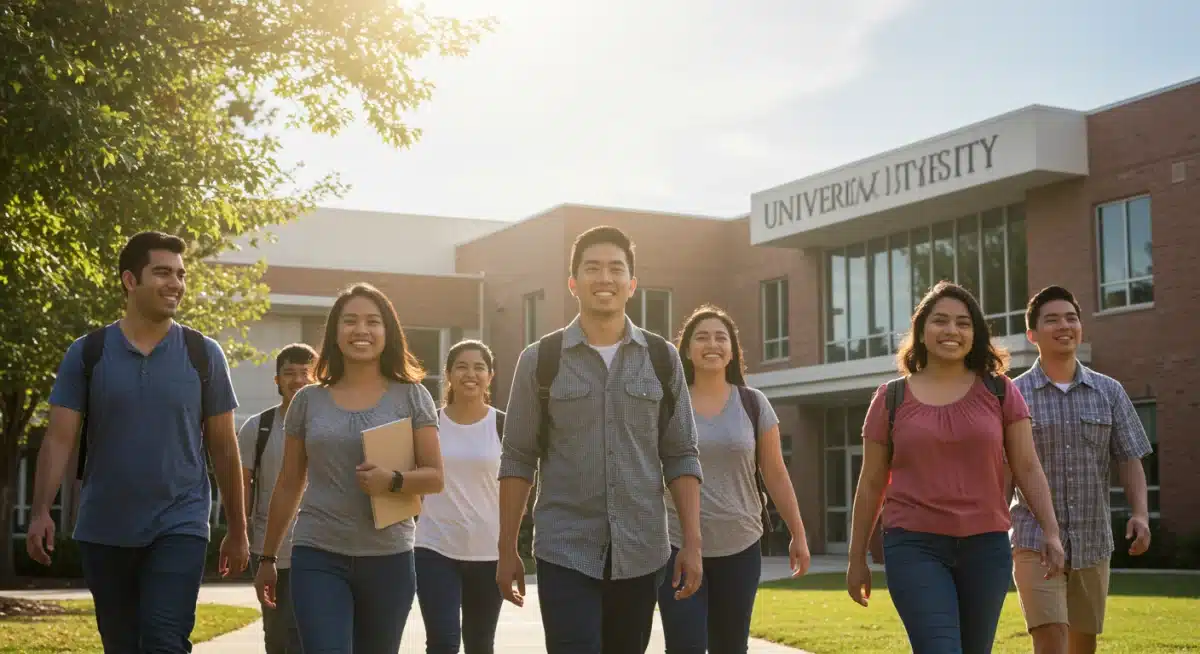
Achieving higher education access for underserved communities by 2026 necessitates a strategic 5-step plan integrating early academic support, comprehensive financial assistance, robust mentorship, digital resource equity, and impactful policy changes to ensure equitable opportunities.
The dream of a college degree often feels distant for individuals in underserved communities. However, a concerted effort to improve higher education access is not just a moral imperative but a societal necessity. This article outlines a strategic 5-step plan designed to significantly enhance educational opportunities for these communities by 2026, paving the way for a more equitable and prosperous future.
Step 1: Strengthening K-12 Pathways and Early Intervention Programs
Ensuring greater access to higher education begins long before college applications are even considered. It starts with robust K-12 education, particularly in communities that have historically been under-resourced. Early intervention programs are crucial for building a strong academic foundation and fostering aspirations for post-secondary education.
Many students from underserved backgrounds face systemic challenges that impact their academic readiness. Investing in high-quality early childhood education and providing continuous support through elementary and secondary school can significantly alter their trajectory. This includes access to advanced placement courses, gifted programs, and specialized academic counseling.
Developing Robust Academic Support Systems
Creating effective support systems within schools is paramount. These systems should be tailored to address the unique needs of students from underserved communities, offering resources that might otherwise be unavailable. It’s about more than just tutoring; it’s about holistic support that addresses academic, social, and emotional development.
- Targeted Tutoring Services: Providing free, high-quality tutoring in core subjects, especially mathematics and science.
- College Preparatory Curriculum: Ensuring all students have access to rigorous coursework that prepares them for college-level studies.
- Guidance Counseling: Offering comprehensive college and career counseling from an early age, demystifying the application process.
Furthermore, schools in these communities often struggle with teacher retention and access to modern educational technology. Addressing these disparities through increased funding and incentives for educators can lead to more stable and effective learning environments. When students see a clear path and receive consistent encouragement, their belief in their ability to pursue higher education grows exponentially.
Step 2: Reforming Financial Aid and Scholarship Opportunities
One of the most significant barriers to higher education for underserved communities is the prohibitive cost. Tuition, fees, living expenses, and books can accumulate to an insurmountable sum, deterring many capable students from even applying. Reforming financial aid and expanding scholarship opportunities are critical components of any plan to improve access.
Current financial aid systems, while extensive, often fail to adequately support the most vulnerable students. The complexity of FAFSA and state aid applications can be a hurdle in itself, leading to missed opportunities. Simplifying these processes and increasing awareness about available resources are immediate needs.
Simplifying Aid Applications and Increasing Grant Funding
Making financial aid more accessible means streamlining the application process and ensuring that grants and scholarships are sufficient to cover the true cost of attendance. This requires a collaborative effort between federal, state, and institutional entities.
- Streamlined FAFSA Process: Advocating for a simpler, more intuitive Free Application for Federal Student Aid (FAFSA) process.
- Increased Pell Grant Funding: Pushing for substantial increases in Pell Grant allocations to better meet students’ financial needs.
- State-Specific Scholarships: Developing and expanding state-funded scholarship programs specifically for students from underserved areas.
Additionally, private foundations and corporate partnerships can play a vital role in creating targeted scholarships. These scholarships can address specific needs, such as supporting first-generation college students, single parents, or individuals pursuing particular fields of study. The goal is to ensure that financial constraints do not dictate educational aspirations.
Step 3: Implementing Robust Mentorship and Outreach Programs
Beyond academic and financial support, students from underserved communities often benefit immensely from mentorship and outreach programs. These initiatives provide invaluable guidance, support, and a sense of belonging that can be crucial for navigating the complexities of higher education.
Many first-generation college students or those from families with limited exposure to higher education lack the informal networks and knowledge that often guide their peers. Mentors can fill this gap, offering advice on everything from course selection to campus life and career planning. Outreach programs, meanwhile, can bring the university experience directly to these communities.
Connecting Students with Experienced Mentors
Effective mentorship programs pair students with individuals who can provide guidance, share experiences, and offer encouragement. These mentors can be university alumni, community leaders, or even older students who have successfully navigated the college journey.
- Peer Mentoring Networks: Establishing programs where current college students mentor high school students.
- Professional Mentorship: Connecting students with professionals in their desired fields to offer career insights and networking opportunities.
- Family Engagement Initiatives: Educating parents and guardians about the benefits and processes of higher education.
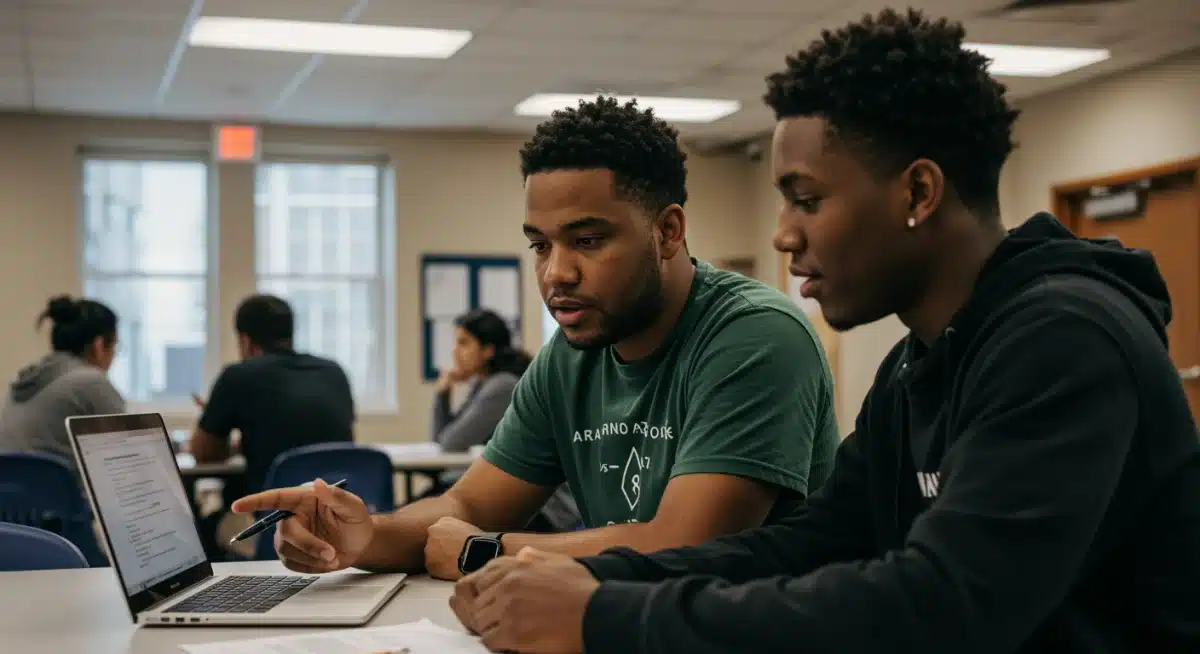
Outreach initiatives, such as campus visits, summer enrichment programs, and college fairs held within underserved communities, can demystify the college experience and make it feel more attainable. These direct engagements help to build trust and demonstrate a genuine commitment from educational institutions to broaden their reach.
Step 4: Bridging the Digital Divide and Enhancing Access to Resources
In the 21st century, access to reliable internet and digital resources is as fundamental to education as textbooks once were. The digital divide disproportionately affects underserved communities, creating a significant barrier to higher education access. Addressing this disparity is a crucial step towards equity.
Many college applications, scholarship forms, and online learning platforms require consistent internet access and personal computing devices. Students without these essentials are immediately at a disadvantage, struggling to complete assignments, conduct research, or even apply for opportunities. This gap was starkly highlighted during recent global shifts towards remote learning.
Ensuring Equitable Access to Technology and Digital Literacy
Bridging the digital divide requires a multi-pronged approach that includes providing affordable internet access, distributing necessary hardware, and offering digital literacy training. This ensures that all students have the tools they need to succeed in a technology-driven academic environment.
- Community Wi-Fi Hotspots: Establishing free or low-cost Wi-Fi access points in public spaces within underserved communities.
- Device Distribution Programs: Providing laptops or tablets to students who cannot afford them, often in partnership with non-profits or corporations.
- Digital Literacy Workshops: Offering training on essential computer skills, online research, and navigating academic platforms.
Furthermore, universities can play a role by ensuring their online resources are accessible and user-friendly, and by offering on-campus digital support for students who may still face challenges. Creating technology hubs within community centers or libraries can also provide safe and equipped spaces for students to work and learn.
Step 5: Advocating for Policy Changes and Institutional Accountability
Sustainable change in higher education access requires more than just programs and initiatives; it demands systemic policy reform and increased institutional accountability. Policies at the federal, state, and institutional levels must actively work to dismantle barriers and promote equitable opportunities.
Historically, many policies have inadvertently or directly contributed to educational disparities. Moving forward, policymakers must prioritize equity in funding formulas, admission practices, and resource allocation. Institutions, in turn, must be held accountable for their efforts to diversify their student bodies and support their success.
Driving Systemic Reform Through Advocacy
Advocacy efforts are essential to influence legislative changes and encourage institutions to adopt more inclusive practices. This involves engaging with elected officials, university administrations, and community stakeholders to push for meaningful reform.
- Equitable Funding Models: Advocating for state and federal funding models that prioritize institutions serving high proportions of underserved students.
- Holistic Admissions Practices: Encouraging universities to consider factors beyond standardized test scores, such as life experiences and community involvement.
- Data Transparency and Reporting: Requiring institutions to publish data on student success rates, disaggregated by demographic, to ensure accountability.
Moreover, policies should support faculty and staff development in culturally responsive pedagogy, ensuring that campus environments are welcoming and supportive for all students. By fostering a culture of inclusivity and holding institutions accountable for their progress, we can create lasting change in higher education access.
| Key Plan Component | Brief Description |
|---|---|
| K-12 Pathways | Strengthening early education and intervention programs to build strong academic foundations. |
| Financial Aid Reform | Simplifying applications and increasing grant funding to reduce financial barriers for students. |
| Mentorship & Outreach | Connecting students with mentors and bringing college experiences directly to communities. |
| Digital Equity | Bridging the digital divide with affordable internet, devices, and digital literacy training. |
Frequently Asked Questions About Higher Education Access
Primary barriers include high costs, complex financial aid processes, inadequate K-12 preparation, lack of mentorship, and the digital divide. These factors collectively hinder access and success for many students from underserved backgrounds, requiring comprehensive solutions.
Early intervention programs, focusing on strong K-12 academic support and college readiness, build foundational skills and aspirations. They expose students to higher education concepts early, making the transition less daunting and fostering a belief in their potential.
Financial aid is crucial as it directly addresses the cost barrier. Simplified applications, increased grant funding like Pell Grants, and targeted scholarships can make college affordable and reduce the need for burdensome loans, enabling more students to enroll and succeed.
Mentorship provides invaluable guidance, emotional support, and a connection to individuals who have successfully navigated higher education. It helps students from underserved communities overcome feelings of isolation, understand university culture, and develop crucial academic and life skills.
Lasting impact requires policies that promote equitable funding, holistic admissions, and institutional accountability. Advocating for legislation that supports underserved communities and holding universities responsible for diversity and student success are key to systemic change.
Conclusion
Achieving significant strides in higher education access for underserved communities by 2026 is an ambitious yet entirely attainable goal. It demands a holistic, coordinated effort across multiple fronts: strengthening K-12 education, reforming financial aid, implementing robust mentorship, bridging the digital divide, and advocating for fundamental policy changes. By focusing on these five critical steps, we can dismantle systemic barriers and unlock the full potential of countless individuals, fostering a more educated, equitable, and prosperous society for all. The time for action is now, ensuring that every aspiring student, regardless of their background, has a clear and supported path to higher education.