LIHEAP 2026: Secure Your $1,000 Home Energy Aid Before Winter

The chill of winter brings with it not only picturesque snowscapes and holiday cheer but also the daunting prospect of soaring energy bills. For many households across the United States, keeping homes warm and safe during the colder months can become a significant financial burden. This is where the Low Income Home Energy Assistance Program (LIHEAP) steps in, offering a vital lifeline to millions. As we look towards 2026, understanding how to navigate the LIHEAP program and secure the assistance you need is more crucial than ever. This comprehensive guide will walk you through everything you need to know about LIHEAP 2026 application, ensuring you’re well-prepared to secure up to $1,000 in aid before winter’s peak.
Understanding the LIHEAP Program: A Lifeline for Low-Income Households
The Low Income Home Energy Assistance Program (LIHEAP) is a federally funded program designed to help low-income households with their energy bills. Administered by individual states and tribal organizations, LIHEAP provides critical assistance to manage costs associated with home heating and cooling, as well as energy crisis intervention, weatherization, and minor energy-related home repairs. The program’s primary goal is to reduce the burden of high energy costs on vulnerable populations, helping them maintain a safe and healthy living environment.
For 2026, the core mission of LIHEAP remains unchanged: to prevent energy insecurity and ensure that no family has to choose between heating their home and other necessities like food or medicine. The program’s flexibility allows states to tailor their assistance to meet the specific needs of their residents, meaning the types of aid and application processes can vary significantly from one state to another. This localized approach ensures that the assistance provided is both relevant and effective in addressing regional energy challenges.
Who Benefits from LIHEAP?
LIHEAP primarily serves households with incomes at or below 150% of the federal poverty level or 60% of the state median income, whichever is greater. However, specific income thresholds and eligibility criteria can vary by state and even by county. Beyond income, states often consider factors such as household size, energy costs, and the presence of vulnerable individuals (e.g., elderly, disabled, or young children) when determining eligibility and benefit amounts. The program is a cornerstone of support for those struggling to afford their utility bills, providing peace of mind during the most challenging seasons.
Why Early Application for LIHEAP 2026 is Crucial
Securing energy assistance through the LIHEAP 2026 application process is not a last-minute endeavor. Early preparation and application are paramount for several reasons:
- Limited Funding: While LIHEAP is federally funded, the allocated funds are not limitless. States receive a specific amount each year, and once those funds are exhausted, no further assistance can be provided until the next funding cycle. Applying early increases your chances of receiving aid before funds run out.
- Processing Times: Application processing can take time, often several weeks or even months, especially during peak seasons. By applying well in advance of winter, you can ensure that your assistance is approved and disbursed before your heating bills start to climb significantly.
- Documentation Requirements: Gathering all necessary documentation can be a time-consuming process. Proof of income, household members, residency, and utility bills are typically required. Starting early gives you ample time to collect everything without undue stress.
- State-Specific Deadlines: Each state sets its own application period and deadlines, which can vary. Missing a deadline could mean waiting another year for assistance. Proactive engagement with your state’s LIHEAP office ensures you meet all critical dates.
- Crisis Prevention: Proactive application can prevent an energy crisis from occurring in the first place. Instead of waiting until you receive a disconnection notice, securing aid early helps maintain continuous service and avoids late fees or reconnection charges.
By understanding these factors, you can approach the LIHEAP 2026 application with a strategic mindset, maximizing your chances of receiving timely and essential support.
Eligibility Requirements for LIHEAP 2026: What You Need to Know
While the specific criteria for the LIHEAP 2026 application will vary by state, there are common threads that run through all programs. Understanding these general requirements will help you determine if you are likely to qualify.
Income Guidelines
The most significant factor determining eligibility is household income. As mentioned, most states use 150% of the federal poverty level or 60% of the state median income as their benchmark. It’s crucial to check the exact income guidelines for your specific state or tribal organization, as these numbers are updated annually. For example, a household of four in one state might have a different income ceiling than a similar household in another state.
- Federal Poverty Level (FPL): The U.S. Department of Health and Human Services (HHS) updates FPL guidelines annually. These figures are a baseline for many federal assistance programs.
- State Median Income (SMI): Some states use SMI, which can be higher than the FPL, potentially allowing more households to qualify.
- Gross vs. Net Income: Be aware if your state considers gross income (before taxes and deductions) or net income (after taxes and deductions). This can make a significant difference in eligibility.
Household Composition and Vulnerability
Beyond income, states often prioritize or provide higher benefits to households with certain characteristics:
- Elderly Individuals: Households with members aged 60 or older.
- Individuals with Disabilities: Those receiving disability benefits or with documented disabilities.
- Young Children: Households with children aged five or younger.
- High Energy Burden: Households that spend a disproportionately large percentage of their income on energy costs.
Residency and Citizenship Status
Applicants must typically be legal residents of the state in which they are applying. While citizenship status can sometimes be a factor in federal programs, LIHEAP generally focuses on household eligibility rather than individual citizenship status for all members. However, specific state regulations may apply, so it’s always best to verify with your local LIHEAP office.
Proof of Need
You will need to demonstrate a genuine need for assistance. This usually involves providing recent utility bills to show your energy consumption and costs. Some states may also require proof of an active heating or cooling source at your primary residence.
Carefully reviewing these requirements before you begin your LIHEAP 2026 application will streamline the process and prevent potential delays.
Step-by-Step Guide to the LIHEAP 2026 Application Process
Navigating the LIHEAP 2026 application can seem daunting, but breaking it down into manageable steps makes it much easier. Follow this guide to ensure you submit a complete and timely application.
Step 1: Locate Your Local LIHEAP Office or Agency
Since LIHEAP is administered at the state and tribal level, your first step is to find the specific agency responsible for your area. You can do this by:
- Visiting the official LIHEAP website (acf.hhs.gov/ocs/liheap).
- Calling the National Energy Assistance Referral (NEAR) hotline at 1-866-674-6327.
- Contacting your state’s Department of Social Services or Human Services.
- Searching online for “LIHEAP [Your State/City]” or “energy assistance [Your State/City].”
Once you locate your local agency, inquire about their specific application procedures, required documents, and critical deadlines for the 2026 program year.
Step 2: Gather Required Documentation
This is arguably the most critical and time-consuming step. Having all your documents ready before you start the LIHEAP 2026 application will prevent delays. While requirements vary, generally you will need:
- Proof of Identity: Photo ID for all adult household members (e.g., driver’s license, state ID, passport).
- Proof of Residency: A lease agreement, mortgage statement, or recent utility bill showing your current address.
- Proof of Income: For ALL household members for the past 30 days (or longer, depending on state requirements). This could include pay stubs, Social Security benefit letters, unemployment benefit statements, pension statements, child support statements, or a letter from your employer.
- Proof of Household Members: Birth certificates for children, Social Security cards for all members, or other documents verifying everyone living in the home.
- Recent Utility Bills: Your most recent heating bill (gas, electric, oil, propane, wood) and potentially your cooling bill if applying for cooling assistance. If your utilities are included in your rent, you may need a statement from your landlord.
- Social Security Numbers: For all household members.
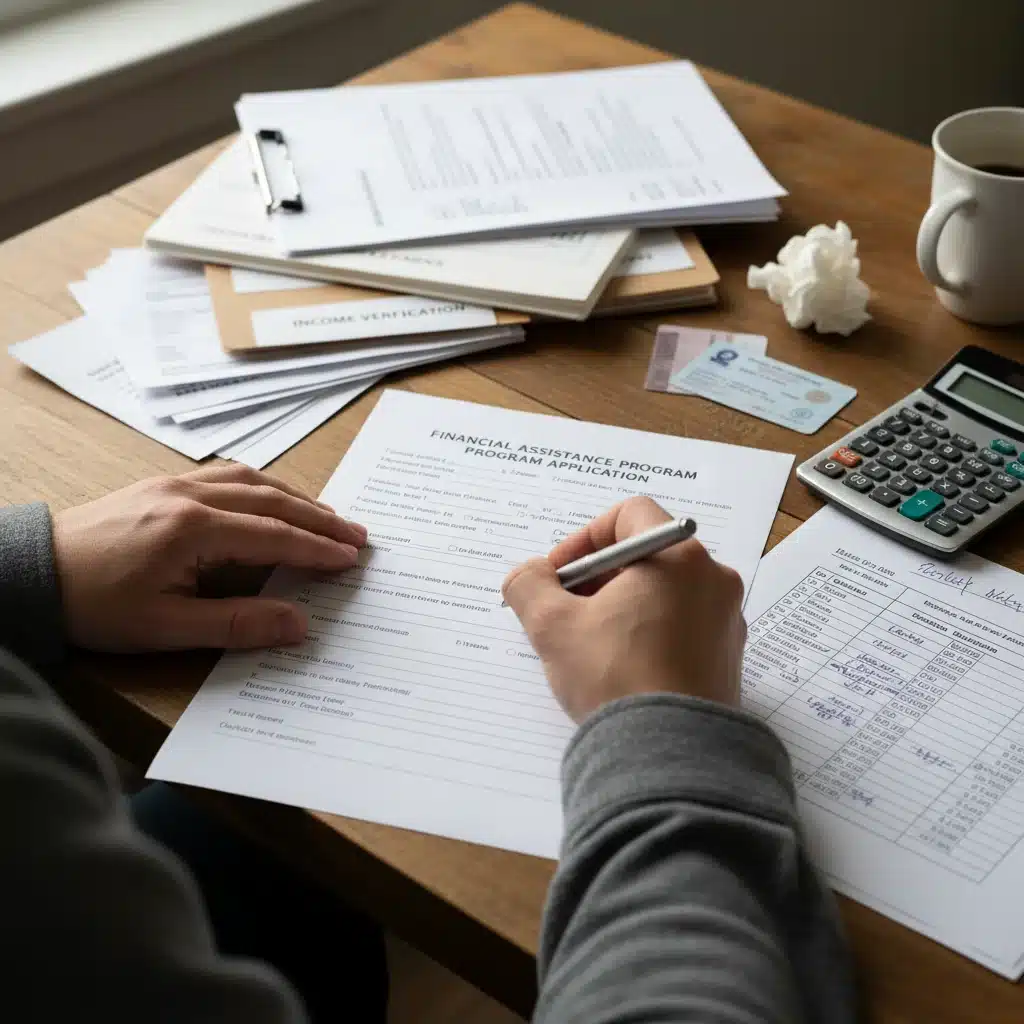
Step 3: Complete the Application Form
Once you have all your documents, you can complete the application form. Many states now offer online applications, but paper applications are usually available for download or pick-up. Fill out the form accurately and completely. Any missing information or errors can lead to delays or rejection. If you have questions, don’t hesitate to contact your local LIHEAP office for clarification.
Step 4: Submit Your Application
Submit your completed application and all supporting documents according to your local agency’s instructions. This might be online, by mail, or in person. Always keep copies of everything you submit for your records.
Step 5: Follow Up
After submission, it’s a good idea to follow up with your local agency after a reasonable processing period to confirm receipt and inquire about the status of your LIHEAP 2026 application. Be patient, as processing times can vary, especially during peak application periods.
Maximizing Your LIHEAP Benefits: Tips for a Successful Application
To ensure you receive the maximum possible aid and avoid common pitfalls, consider these tips for your LIHEAP 2026 application:
Start Early, Always
As emphasized, applying as soon as the application period opens is your best strategy. This not only increases your chances of securing funds but also allows time to address any issues with your application before the winter heating season truly hits.
Double-Check Everything
Before submission, carefully review your application form and all supporting documents. Ensure all information is accurate, consistent, and legible. Missing signatures, incorrect dates, or outdated income information are common reasons for delays or denials.
Understand Your Energy Burden
Some states prioritize households with a high energy burden (i.e., those spending a large percentage of their income on energy). Be prepared to articulate your energy costs relative to your income, as this can sometimes influence the amount of assistance you receive.
Explore Other Assistance Programs
LIHEAP is often one of several programs available to help with utility costs. Your local LIHEAP office or community action agency may be able to direct you to other state or local programs, such as utility company assistance programs, weatherization assistance, or emergency aid. Combining resources can provide more comprehensive support.
Keep Records
Maintain a file with copies of your application, all submitted documents, correspondence with the LIHEAP office, and any approval letters or benefit statements. This will be invaluable if you need to follow up or if there are any discrepancies.
Be Honest and Transparent
Provide accurate and truthful information on your application. Misrepresenting your income or household size can lead to denial of benefits and potential penalties.
Beyond LIHEAP: Additional Resources for Energy Savings
While the LIHEAP 2026 application can provide significant financial relief, it’s also wise to explore other avenues for reducing your energy consumption and costs. A holistic approach to energy management can lead to long-term savings and greater comfort.
Weatherization Assistance Program (WAP)
The Weatherization Assistance Program (WAP) helps low-income households improve the energy efficiency of their homes, thereby reducing energy bills. WAP services can include sealing air leaks, adding insulation, repairing or replacing inefficient heating/cooling systems, and addressing other energy-related home issues. Many LIHEAP recipients are also eligible for WAP, and applying for both can offer a powerful one-two punch against high energy costs.
Utility Company Programs
Many utility companies offer their own assistance programs, payment plans, or energy efficiency audits for low-income customers. These can include:
- Arrearage Management Programs (AMPs): Designed to help customers pay off past-due balances.
- Budget Billing: A plan that averages your annual energy costs into consistent monthly payments, making bills more predictable.
- Energy Efficiency Rebates: Incentives for upgrading to more energy-efficient appliances or making home improvements.
- Free Home Energy Audits: Professionals assess your home’s energy use and recommend improvements.
Contact your utility providers directly to inquire about available programs in your area.
Community Action Agencies
Community Action Agencies (CAAs) are local non-profit organizations that provide a wide range of services to low-income individuals and families, often including energy assistance, housing support, food programs, and employment services. They can be an excellent resource for information about local aid programs and help with the LIHEAP 2026 application.
Energy-Saving Habits
Simple changes in daily habits can also contribute to significant energy savings:
- Adjust Thermostat: Lowering your thermostat a few degrees in winter and raising it in summer can save a lot. Use programmable thermostats to automate temperature changes when you’re away or asleep.
- Seal Drafts: Use caulk or weatherstripping to seal leaks around windows and doors.
- Unplug Electronics: “Phantom load” from electronics plugged in but not in use can add up.
- Use Natural Light: Open blinds and curtains during the day to let in sunlight for warmth and illumination.
- Maintain HVAC Systems: Regularly change air filters and have your heating and cooling systems serviced annually for optimal efficiency.

What to Expect After Your LIHEAP 2026 Application
After you’ve submitted your LIHEAP 2026 application, the waiting period begins. Understanding what happens next can help manage expectations and prepare you for any potential follow-up actions.
Application Review
Your local LIHEAP agency will review your application and supporting documents to verify eligibility based on income, household size, and other state-specific criteria. This process can take anywhere from a few weeks to several months, depending on the volume of applications and the staffing levels of the agency.
Notification of Decision
You will receive a notification regarding the approval or denial of your application. If approved, the notification will typically include the amount of assistance you will receive and how it will be disbursed. If denied, the letter should state the reason for denial and provide information on how to appeal the decision.
Benefit Disbursement
LIHEAP benefits are generally paid directly to your utility company or fuel vendor on your behalf. In some cases, a check may be issued directly to the household, particularly for bulk fuel purchases like oil or propane. The assistance is usually provided as a one-time payment or a credit on your utility account. The goal is to reduce your energy burden, not necessarily to cover your entire bill.
Appeals Process
If your LIHEAP 2026 application is denied, you have the right to appeal the decision. The denial letter should outline the steps for filing an appeal. This typically involves submitting a written request for review, often within a specific timeframe (e.g., 30 days from the denial date). During the appeal, you may be asked to provide additional documentation or clarification.
Staying Informed: Key Dates and Resources for LIHEAP 2026
As you prepare for the LIHEAP 2026 application cycle, staying informed about key dates and reliable resources is paramount. Program details and deadlines are subject to change, so proactive engagement is essential.
Annual Updates and Changes
Each year, the federal government allocates funds to states, and states, in turn, update their program guidelines, income thresholds, and application periods. These updates usually occur in late summer or early fall, preparing for the upcoming heating season. Make it a point to check your state’s official LIHEAP website or contact your local agency around this time for the most current information.
Important Dates to Watch For:
- Late Summer/Early Fall 2025: Expect announcements regarding LIHEAP 2026 funding levels, updated federal poverty guidelines, and state-specific program changes.
- Fall 2025: Many states begin accepting applications for the heating season during September or October. This is your prime window to submit your LIHEAP 2026 application.
- Winter 2025-2026: Peak season for energy assistance needs. Emergency LIHEAP funds may become available for households facing immediate disconnection or fuel shortages.
- Spring 2026: Some states offer cooling assistance during the warmer months, with applications typically opening in spring.
Reliable Resources:
- U.S. Department of Health & Human Services (HHS) LIHEAP Website: The official federal resource for general program information, state contact lists, and federal poverty guidelines. (acf.hhs.gov/ocs/liheap)
- National Energy Assistance Referral (NEAR) Hotline: Call 1-866-674-6327 for information on where to apply for energy assistance in your area.
- State LIHEAP Websites: Each state has its own dedicated website with specific application forms, eligibility criteria, and local agency contacts. A quick search for “[Your State] LIHEAP” will usually lead you there.
- Local Community Action Agencies: These agencies are often the direct points of contact for LIHEAP applications and can provide personalized assistance and referrals to other programs.
- Your Utility Providers: Many utility companies have dedicated departments to assist low-income customers and can provide information about LIHEAP and their own assistance programs.
Conclusion: Proactive Steps for a Warmer, Worry-Free Winter 2026
The Low Income Home Energy Assistance Program (LIHEAP) stands as a critical support system for millions of Americans, ensuring that essential home energy needs are met, especially during the harshest months. As we look ahead to 2026, the key to securing this vital aid lies in preparation, understanding, and timely action. By familiarizing yourself with the LIHEAP 2026 application process, gathering your documents early, and knowing where to apply, you can significantly reduce your household’s energy burden and enjoy a warmer, safer home.
Remember, up to $1,000 in assistance could be available to eligible households, making a substantial difference in managing winter utility bills. Don’t wait until the cold weather sets in; start your research and application process today. Combine LIHEAP with other energy-saving habits and programs like Weatherization Assistance, and you’ll be well on your way to a more financially secure and comfortable year. Your proactive steps now will pay dividends when winter arrives, offering peace of mind and protection against the escalating costs of keeping your home warm.