Infrastructure Bill: $500 Billion for US Roads by 2027
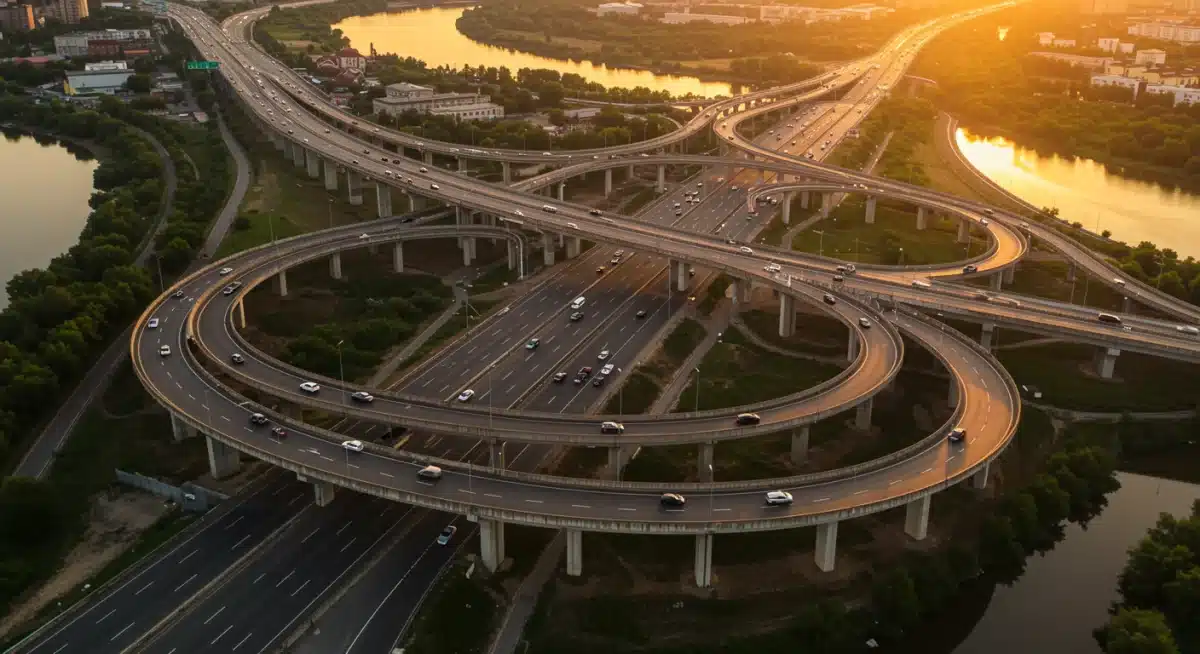
A new infrastructure spending package currently under debate in Congress could allocate $500 billion to significantly overhaul US roads and bridges by 2027, fostering economic growth and enhancing national connectivity.
The legislative halls of Washington D.C. are abuzz with discussions surrounding a monumental infrastructure spending package. This proposed bill, potentially worth $500 billion, aims to inject much-needed funds into the nation’s aging roads and bridges, with projections suggesting substantial improvements by 2027. What exactly could this mean for the everyday lives of Americans and the broader economic landscape?
Understanding the Proposed Infrastructure Spending Package
The current discourse in Congress centers on a comprehensive plan designed to address decades of underinvestment in America’s foundational infrastructure. This significant financial commitment is not merely about patching potholes; it represents a strategic effort to modernize, expand, and future-proof the transportation networks that underpin the nation’s economy and daily life.
The proposed $500 billion allocation is intended to be a multi-faceted investment, targeting various critical areas within the transportation sector. Lawmakers are meticulously examining how these funds can be distributed most effectively to yield tangible results, from major interstate highways to local community bridges. The goal is to move beyond short-term fixes and implement durable solutions that will serve the country for generations.
Key Components of the Bill
Several crucial areas are expected to receive substantial funding under the new package, each designed to address specific deficiencies and opportunities within the national infrastructure.
- Roadway Repair and Modernization: A significant portion is earmarked for repairing dilapidated roads, expanding congested highways, and integrating smart road technologies to improve traffic flow and safety.
- Bridge Reconstruction and Safety: Thousands of structurally deficient bridges across the country are a major concern. This package aims to fund their complete reconstruction or extensive repair, ensuring structural integrity and public safety.
- Public Transit Upgrades: While primarily focused on roads and bridges, the bill is also expected to include provisions for improving and expanding public transportation networks, aiming to reduce reliance on personal vehicles and alleviate urban congestion.
- Rural Connectivity Projects: Special attention is being given to rural areas, where infrastructure often lags behind urban centers. Funds will likely be directed towards improving access and connectivity in these underserved regions.
The legislative process involves intricate negotiations, with various stakeholders advocating for specific allocations and project priorities. The final shape of the bill will reflect a compromise among these diverse interests, but the core objective remains clear: a robust investment in the nation’s physical backbone. The implications of such an investment extend far beyond construction sites, promising ripple effects across numerous sectors of the economy.
Ultimately, this package represents a critical juncture for the United States. The decision made by Congress will determine the trajectory of infrastructure development for years to come, influencing economic competitiveness, environmental sustainability, and the quality of life for millions of Americans. It’s a testament to the recognition that a strong economy is built on strong foundations, literally.
Impact on US Roads and Bridges by 2027
Should the $500 billion infrastructure spending package pass, the landscape of US roads and bridges could undergo a transformative change by 2027. This isn’t just about cosmetic upgrades; it’s about fundamental improvements in safety, efficiency, and longevity. The ambitious timeline suggests a rapid deployment of funds and commencement of projects, aiming for noticeable results within a few years.
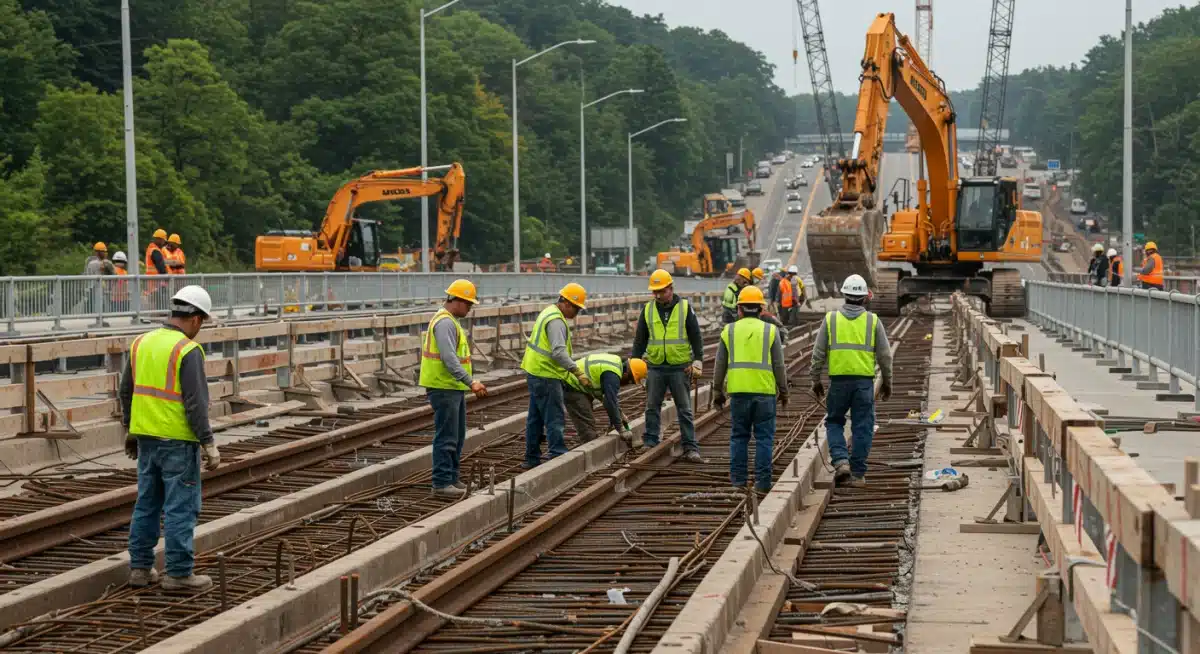
The immediate impact would be a surge in construction activity nationwide. From major interstate highways to local routes, crews would be mobilized to undertake a wide array of projects. This would involve everything from resurfacing worn-out roads to replacing entire bridge spans that have reached the end of their operational life. The scale of work envisioned is immense, reflecting the urgency of the infrastructure deficit.
Expected Improvements and Benefits
The proposed investments are designed to yield a multitude of benefits for both individual citizens and the national economy. These improvements are expected to touch various aspects of daily life and commerce.
- Enhanced Safety: Modernized roads with better signage, lighting, and clearer lane markings, along with structurally sound bridges, will significantly reduce accidents and fatalities.
- Reduced Travel Times: Addressing bottlenecks, expanding lanes, and optimizing traffic flow through smart technologies will lead to shorter commutes and more efficient freight movement.
- Lower Vehicle Maintenance Costs: Smoother roads mean less wear and tear on vehicles, saving drivers money on repairs and tire replacements.
- Increased Economic Competitiveness: A robust transportation network facilitates the movement of goods and services, making American businesses more competitive globally.
The timeline to 2027 is crucial. It represents a window within which significant progress is expected to be made, setting the stage for long-term infrastructure health. This includes not only the completion of many major projects but also the establishment of new standards and practices for maintenance and future development. The focus is on creating a resilient system that can withstand the demands of modern commerce and climate change.
Furthermore, the package aims to foster innovation in infrastructure development. This could include the adoption of new materials, construction techniques, and digital tools that enhance project efficiency and durability. The vision is to build infrastructure that is not only functional but also sustainable and adaptable to future needs. The success of this initiative by 2027 would pave the way for continued investment and a healthier national infrastructure.
Economic Stimulus and Job Creation
A $500 billion infrastructure spending package is not just an investment in concrete and steel; it’s a powerful economic stimulus. Such a massive influx of capital into construction and related industries is expected to generate a significant number of jobs across various skill levels and sectors. This job creation is a key argument made by proponents of the bill, highlighting its potential to boost employment and economic recovery.
The direct impact will be felt in the construction sector, with demands for engineers, project managers, skilled tradespeople, and laborers soaring. However, the economic ripple effect extends much further. Industries that supply construction materials—such as steel, cement, asphalt, and heavy machinery—will see increased demand, leading to job growth in manufacturing and raw material extraction. This interconnectedness ensures that the benefits of the spending package are widely distributed throughout the economy.
Broader Economic Benefits
Beyond direct job creation, improved infrastructure yields long-term economic advantages that benefit everyone. These benefits contribute to a more dynamic and competitive national economy.
- Increased Productivity: Efficient transportation reduces shipping costs and travel times, allowing businesses to operate more productively and expand their reach.
- Attraction of Investment: States and regions with modern, reliable infrastructure are more attractive to businesses considering relocation or expansion, fostering local economic growth.
- Boost to Small Businesses: Local contractors, suppliers, and service providers will benefit from the increased project opportunities, strengthening local economies.
- Long-Term Savings: Proactive investment in infrastructure maintenance and upgrades prevents more costly emergency repairs and replacements down the line, saving taxpayer money in the long run.
The economic models used to project the impact of such spending often show a multiplier effect, where every dollar invested generates more than a dollar in economic activity. This is due to the wages earned by workers being spent in local businesses, and the profits of companies being reinvested or distributed, creating a virtuous cycle of economic growth. The goal is to not only fix existing problems but also to lay the groundwork for sustained prosperity.
The job market will respond with training programs and apprenticeships to meet the demand for skilled labor, providing new career pathways for many Americans. This focus on workforce development is an integral part of ensuring the success of the infrastructure initiative. The economic stimulus from this package is anticipated to be a critical component of post-pandemic recovery, strengthening the nation’s economic resilience and creating a more stable future.
Funding Mechanisms and Political Challenges
Securing $500 billion for an infrastructure spending package is no small feat, and the debate in Congress is heavily focused on how to fund such an ambitious undertaking. Various funding mechanisms are on the table, each with its own set of political implications and potential impacts on taxpayers. The discussions often highlight the delicate balance between necessary investment and fiscal responsibility.
Traditionally, infrastructure projects have been funded through gasoline taxes, but this revenue stream has become less reliable due to more fuel-efficient vehicles and the rise of electric cars. Lawmakers are exploring alternative and supplementary funding sources that can provide the sustained capital required for long-term infrastructure improvements. This requires creative solutions and a willingness to compromise across political divides.
Potential Funding Sources
Several options are being considered to finance the proposed package, each presenting different challenges and opportunities.
- Bonds and Borrowing: Issuing federal bonds is a common method for financing large public works, spreading the cost over many years.
- User Fees and Tolls: Implementing or increasing fees for specific infrastructure use, such as tolls on highways or charges for commercial vehicles, could generate dedicated revenue.
- Corporate Tax Adjustments: Reforming corporate tax structures, potentially by raising rates or closing loopholes, could free up significant funds for public investment.
- Public-Private Partnerships (PPPs): Leveraging private sector investment and expertise through partnerships can help finance projects and accelerate their completion, though they often come with their own complexities regarding oversight and profit sharing.
The political challenges are substantial. Reaching consensus on funding mechanisms requires overcoming partisan disagreements and addressing concerns about national debt, inflation, and the equitable distribution of costs and benefits. Every proposed funding source faces scrutiny from different interest groups and political factions, making negotiations protracted and complex. The outcome will likely be a hybrid approach, combining several funding strategies to meet the $500 billion target.
Furthermore, the long-term sustainability of the funding model is a key consideration. Lawmakers are not just looking to fund the initial construction but also to ensure that there are mechanisms in place for ongoing maintenance and future upgrades. This forward-looking approach is essential to avoid repeating the cycle of underinvestment that has led to the current infrastructure crisis. The political will to enact meaningful change will be tested in these critical funding debates.
Regional Disparities and Equitable Distribution
A critical aspect of the congressional debate revolves around ensuring that the $500 billion infrastructure spending package addresses regional disparities and promotes equitable distribution of funds. Historically, some regions have received more infrastructure investment than others, leading to significant differences in the quality and capacity of roads and bridges. Lawmakers are keen to avoid exacerbating these disparities and instead use the package as an opportunity to foster greater equity across the nation.
The bill aims to identify and prioritize projects in underserved communities, rural areas, and regions that have suffered from chronic underinvestment. This focus on equitable distribution is not just about fairness; it’s also about unlocking economic potential in areas that have been held back by inadequate infrastructure. Improved connectivity and reliable transportation can revitalize local economies, provide better access to jobs and services, and improve the quality of life for residents.
Addressing Specific Needs
The package is expected to include provisions that specifically target regions and communities with unique infrastructure challenges.
- Rural Road Improvements: Many rural roads are in disrepair, hindering agricultural transport and access to essential services. Funds will be directed to upgrading these critical links.
- Urban Congestion Relief: Major metropolitan areas face severe traffic congestion. The package will support projects like expanded public transit, intelligent traffic systems, and additional lanes to alleviate these pressures.
- Climate Resilience in Coastal Areas: Regions vulnerable to climate change impacts, such as rising sea levels and extreme weather, will receive funding for resilient infrastructure, including elevated roads and reinforced bridges.
- Reconnecting Communities: Some historical infrastructure projects inadvertently divided communities. The bill may support initiatives to reconnect these areas, improving social cohesion and local economic activity.
The process of allocating these funds will involve careful consideration of data, local needs assessments, and input from state and local governments. This collaborative approach is vital to ensure that the investments are effective and truly address the most pressing needs on the ground. The goal is to move beyond a one-size-fits-all approach and tailor solutions to the specific contexts of different regions.
Ensuring transparency and accountability in the allocation process will also be paramount. Lawmakers are working to establish clear criteria for project selection and robust oversight mechanisms to prevent waste and ensure that funds are used efficiently and effectively. The debate over equitable distribution underscores the broader societal goals of the infrastructure package—to build a more connected, prosperous, and just nation for all its citizens.
Technological Advancements in Infrastructure
The proposed $500 billion infrastructure spending package isn’t just about traditional construction; it’s also a significant opportunity to integrate cutting-edge technological advancements into the nation’s roads and bridges. By embracing innovation, the United States can build smarter, more resilient, and more efficient infrastructure that is prepared for the challenges of the 21st century. This includes everything from advanced materials to digital management systems.
One key area of focus is the development and deployment of smart infrastructure. This involves embedding sensors and communication technologies into roads and bridges to monitor their condition in real-time, anticipate maintenance needs, and optimize traffic flow. Such systems can provide invaluable data for infrastructure managers, allowing for proactive interventions and more efficient resource allocation. The integration of these technologies can lead to significant long-term cost savings and improved operational performance.
Innovations Driving Future Infrastructure
Several technological innovations are poised to reshape how infrastructure is built and maintained under the new spending package.
- Advanced Materials: Research and development into stronger, more durable, and self-healing materials for concrete and asphalt can extend the lifespan of roads and bridges, reducing maintenance frequency.
- Autonomous Vehicle Integration: Designing roads with features that support autonomous vehicles, such as dedicated lanes and enhanced sensor compatibility, is crucial for future transportation systems.
- Digital Twin Technology: Creating virtual replicas of physical infrastructure can help in planning, monitoring, and managing projects more effectively, allowing for simulations and predictive analysis.
- Renewable Energy Integration: Incorporating solar panels into road surfaces or utilizing wind energy for lighting and signage can make infrastructure more sustainable and reduce operational costs.
The adoption of these technologies will require significant investment in research, development, and workforce training. The infrastructure package is expected to allocate funds not only for the physical construction but also for the foundational technological advancements that will drive these improvements. This forward-looking approach ensures that the investments made today will continue to yield benefits for decades to come, keeping the US at the forefront of infrastructure innovation.
Furthermore, the use of drones for inspection, AI for predictive maintenance, and modular construction techniques can significantly speed up project timelines and reduce disruption to communities. These technological leaps are essential for maximizing the impact of the $500 billion investment and creating an infrastructure system that is truly world-class. The debate in Congress is thus not just about fixing what’s broken, but about building what’s next.
Public Opinion and Political Will
The success of the $500 billion infrastructure spending package hinges not only on legislative agreement but also on public opinion and sustained political will. While there is broad bipartisan consensus on the need to improve US infrastructure, the specifics of funding, project selection, and oversight often become contentious issues. Understanding the public’s sentiment and maintaining political momentum are crucial for the bill’s passage and effective implementation.
Surveys consistently show that Americans across the political spectrum recognize the deteriorating state of the nation’s infrastructure and support significant investment to address it. From frustrating commutes to concerns about bridge safety, the daily experiences of citizens underscore the urgency of the matter. This public demand provides a strong mandate for Congress to act, but translating that general support into specific policy decisions is where the real challenge lies.
Challenges to Overcome
- Partisan Gridlock: Differences in political ideologies often lead to stalemates on funding mechanisms and project priorities, slowing down or even derailing legislative efforts.
- Fiscal Conservatism: Concerns about increasing the national debt and the potential for inflation can lead to resistance against large spending packages, even for widely supported initiatives.
- Lobbying by Special Interest Groups: Various industries and advocacy groups lobby for specific allocations and project types, adding complexity to negotiations and potentially diverting funds from broader national needs.
- Project Delays and Cost Overruns: Public skepticism can arise from past experiences with infrastructure projects that faced significant delays or exceeded their budgets, making accountability and efficient execution critical.
Maintaining political will requires continuous communication with constituents, demonstrating the tangible benefits of the proposed investments, and building broad coalitions that transcend partisan lines. Leaders must effectively articulate how the package will improve daily life, create jobs, and strengthen the economy, thereby reinforcing public support and pressuring lawmakers to find common ground. The focus must remain on the long-term vision and collective good.
The legislative process is often a marathon, not a sprint, and the debate over this infrastructure package is no exception. However, the pressing need for modern infrastructure, coupled with the potential economic and societal benefits, provides a powerful incentive for political leaders to overcome obstacles and deliver a transformative bill. The eyes of the nation are on Congress, awaiting a decision that will shape the future of US roads and bridges for decades to come.
| Key Aspect | Brief Description |
|---|---|
| Total Funding | $500 billion proposed for US infrastructure overhaul. |
| Primary Targets | Roads and bridges nationwide, including repairs and modernization. |
| Expected Timeline | Significant improvements projected by 2027. |
| Key Benefits | Job creation, economic stimulus, enhanced safety, and efficiency. |
Frequently Asked Questions About the Infrastructure Package
The main goal is to significantly upgrade and modernize US roads and bridges by 2027. This includes repairing dilapidated infrastructure, expanding capacity, and integrating new technologies to improve safety, efficiency, and connectivity across the nation, thereby boosting economic activity and creating jobs.
Commuters can expect reduced travel times due to fewer bottlenecks and improved traffic flow. Enhanced road conditions will also lead to lower vehicle maintenance costs. Overall, the package aims to make daily travel safer, more reliable, and more efficient for millions of Americans.
Congress is exploring various funding options, including issuing federal bonds, implementing new user fees or tolls, adjusting corporate tax structures, and fostering public-private partnerships. The final package will likely combine several of these approaches to reach the $500 billion target while ensuring fiscal sustainability.
Yes, a key focus of the debate is ensuring equitable distribution of funds. The package aims to prioritize projects in underserved rural areas and urban communities that have historically received less investment, thereby promoting balanced economic development and improved access to essential services nationwide.
Technology will be crucial, with plans to integrate smart infrastructure solutions like sensors for real-time monitoring, advanced materials for durability, and designs compatible with autonomous vehicles. These innovations aim to create a more resilient, efficient, and future-ready transportation network, optimizing maintenance and operational costs.
Conclusion
The congressional deliberations over a new $500 billion infrastructure spending package represent a pivotal moment for the United States. This substantial investment, if approved, promises to revitalize the nation’s aging roads and bridges by 2027, delivering not only safer and more efficient transportation networks but also a significant boost to the economy through job creation and enhanced productivity. While funding mechanisms and equitable distribution remain key points of contention, the overarching goal of modernizing American infrastructure enjoys broad support. The outcome of these debates will undoubtedly shape the country’s physical and economic landscape for decades to come, underscoring the critical importance of a robust and resilient infrastructure for national prosperity and daily life.